
Art 16th century
The arts in the 16th century were influenced by the style of Renaissance. There were many famous artists that became prominent during this time, such as Leonardo Da Vinci and Michelangelo Buonarroti. The styles of art from this time include Mannerism, Baroque, Rococo, and Neoclassicism. Art in the 16th century was different from other periods because of how much experimentation was going on with new art techniques. One notable technique that was created in 15th-16th century art is sfumato. Sfumato is an Italian term meaning soft or hazy and it describes the effect of blending colors to give a soft look, rather than a hard one. Also, artists used oil paints during this time period more frequently than ever before, which allowed for more vibrant colors and tones. All of these new techniques led to different artwork than was previously seen before in the history of art. Artists during this time were also much focused on religious themes, such as religious paintings and sculptures of biblical figures. At the time, Artists were also inspired by the natural world. Nature was a large part of Renaissance art, but during this time artists started to study and value it more, which showed in their artworks. During the 16th century, art was becoming more realistic looking and more lifelike than ever before. Artists wanted to not just paint the appearance of things but also their actual essence, which is what gave art a new meaning in this time period. Artists during 16th century used different styles of art that would come into later years as well. The first style was Mannerism, which was popular during the 16th century. Mannerism started as a style of painting developed in Italy that used elongated figures and unrealistic colors. The style of Mannerism in Italy eventually influenced the style of art in other regions, such as Flanders and England. Another style of art that originated in the end of the 16th century Baroque, which includes an emphasis on intense emotion along with a great attention to detail. Baroque is known for a style of art that includes emotional intensity, which is shown through the use of bold colors and lighting.


Hendrick Van Steenwijk the Elder, 1590 - Market Scene - fine art print


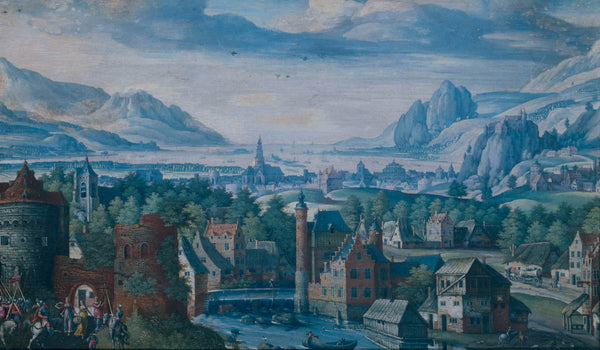


Unknown, 1550 - Horatius Cocles Defending the Sublician Bridge - fine art print


Jan Matsys, 1514 - The Rent Receiver's Office - fine art print


Herri met de Bles, 1550 - The Temptation of Saint Anthony - fine art print


Unknown, 1560 - Egyptian mongoose - fine art print


Lucas Cranach the Elder, 1537 - The Nymph of the Spring - fine art print


Gillis van Coninxloo, 1580 - Landscape with Venus and Adonis - fine art print


Unknown, 1525 - Marriage of Mary and Joseph - fine art print


Joos de Momper II, 1590 - Hercules Steals the Oxen of Geryon - fine art print


Titian and Workshop, 1500 - Adoration of the Magi - fine art print


Adriaen Isenbrant, 1521 - The Life of the Virgin - fine art print


Aniello Redita, 1550 - Mythological scene (Aeneas fleeing Troy) - fine art print

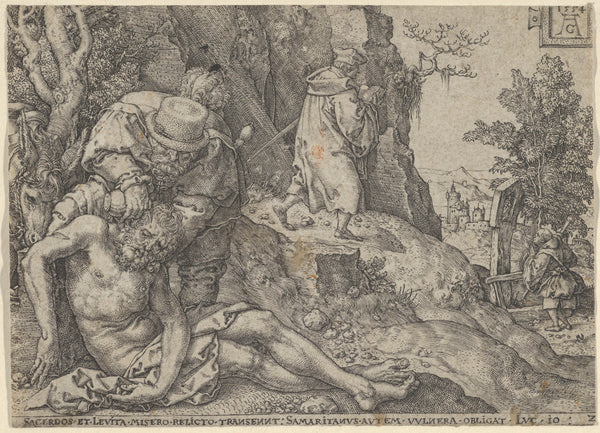


Perugino, 1505 - Do not touch me - fine art print


Jan Mandijn, 1550 - Saint Christopher and the Christ Child - fine art print


Unknown, 1575 - Hunter beheads a man - fine art print


Unknown, 1500 - Martyrdom of a bishop and his servant - fine art print


Unknown, 1530 - The Temptation of St Anthony - fine art print


Pinturicchio, 1509 - Putto with garlands - fine art print


Unknown, 1580 - Roman ruins - fine art print


Joachim Bueckelaer, 1566 - The Well-stocked Kitchen - fine art print


Jan Brueghel the Elder, 1597 - Christ's Descent into Limbo - fine art print


Pinturicchio, 1509 - Hercules and Omphale - fine art print


Unknown, 1580 - Birth of Mary - fine art print


Unknown, 1560 - Armadillo - fine art print


Unknown, 1560 - Fret - fine art print


Unknown, 1544 - Lazarus and the Rich Man - fine art print


Brunswijkse Monogrammist, 1520 - Behold the man - fine art print


Hans Maler zu Schwaz, 1520 - Christ Carrying the Cross - fine art print


Unknown, 1525 - Holy Family with Saint Catherine - fine art print


Unknown, 1580 - Night Banquet and Masquerade - fine art print


