Art 17th century
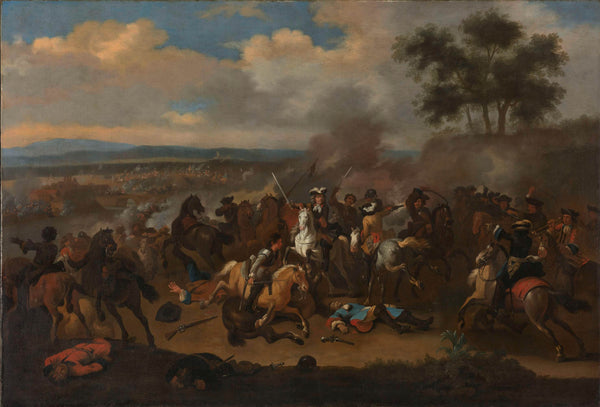
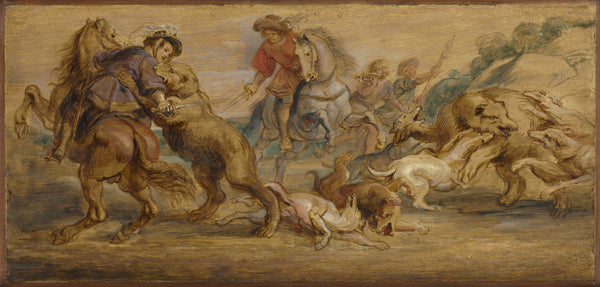
The 17th century was a period of great artistic achievement in Europe, with Baroque style at its peak. The 17th century is often referred to as an age of religious art, with painting styles dominated by a prevailing mood of somberness and grandeur. This was in many ways a reflection of the political and religious turmoil of the time, with works focusing on themes such as death, judgment, faith, salvation and the Apocalypse. Yet at the same time one of the most important artistic developments was the secularization of art. With increasing wealth and cultural sophistication among all classes, artists turned to themes that would appeal to a wider public. While many paintings continued to emphasize religious ceremonies, figures or events, there was a growing trend for artists to show secular subjects, such as scenes from history and mythology. This was influenced by the changing political climate of the time—the end of the Thirty Years War in 1648 allowed painters and sculptors to make their art more realistic, while there was also a newfound interest in Classical antiquity. An important feature of Baroque art of the 17th century was its use of rich and contrasting colors, with the Baroque artists favoring a bold palette. Much of this colorfulness came from the addition of bright pigments made possible by new painting techniques and methods that allowed greater precision in the application of paint to canvas. Other new techniques in this period included the development of life-size nudes and a greater focus on realism, with artists paying close attention to details such as texture—this was known as "fine painting" or the "finer arts". There was a great deal of interest in depicting the natural world as accurately as possible. This included showing plants, animals and other objects such as fruit and flowers in a realistic manner. With this new sense of realism came a greater emphasis on the depiction of everyday life and the lives of ordinary people—the word "genre" was used to describe paintings that depicted everyday subjects. Renaissance styles were also a major influence in this period, particularly in Italy. High Renaissance artists such as Michelangelo and Raphael were still active, while new generations of artists developed styles similar to their work. The Baroque style was the dominant artistic movement in Italy throughout this period, although there were other influences from Mannerism and even some examples of naturalistic painting that emerged during the mid-17th century. The church had a dominant role in the production of art throughout the 17th century and many painters were also employed by church institutions, such as monasteries or convents. In addition, artists often received financial backing from benefactors—patrons who promised to provide support for an artist during their career in return for the right to buy a painting at the end of their life.


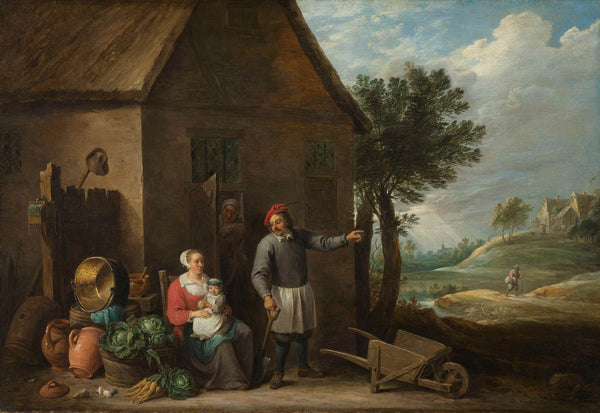
David Teniers, 1640 - Game of Backgammon - fine art print


Gerard van Honthorst, 1622 - Christ Crowned with Thorns - fine art print




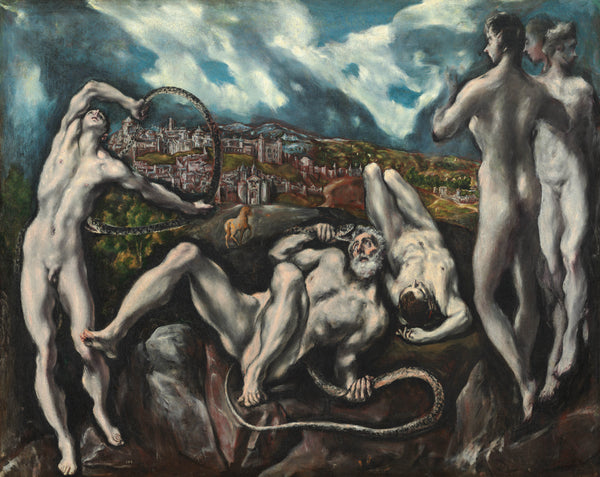
El Greco, 1614 - Laocoön - fine art print

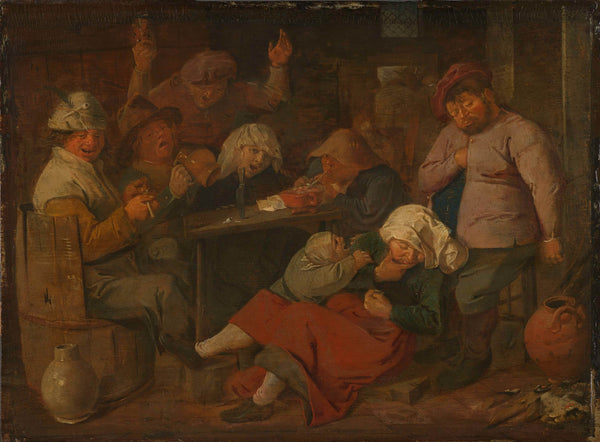
Adriaen Brouwer, 1620 - Peasant Drinking About - fine art print

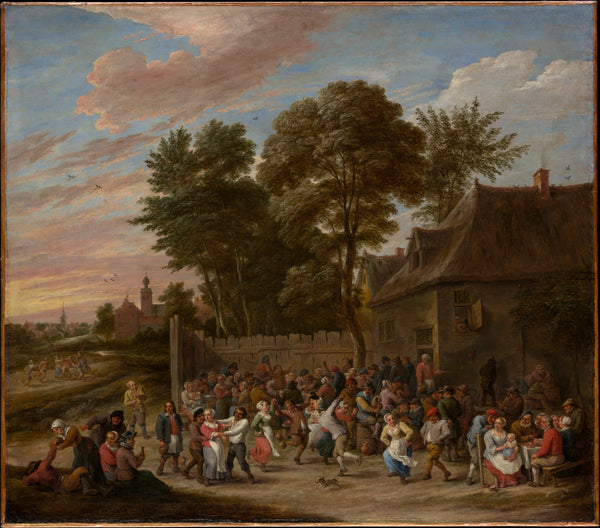
David Teniers the Younger, 1660 - Peasants Dancing and Feasting - fine art print

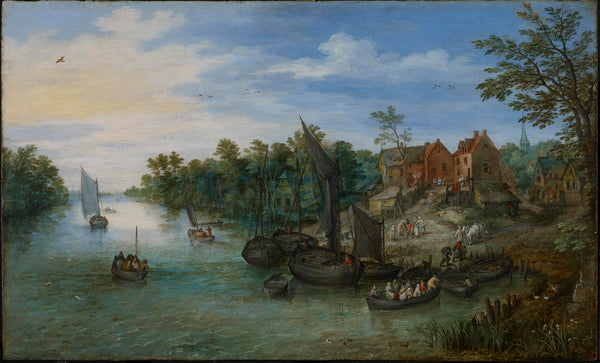
Jan Brueghel the Elder, 1612 - River Landscape - fine art print

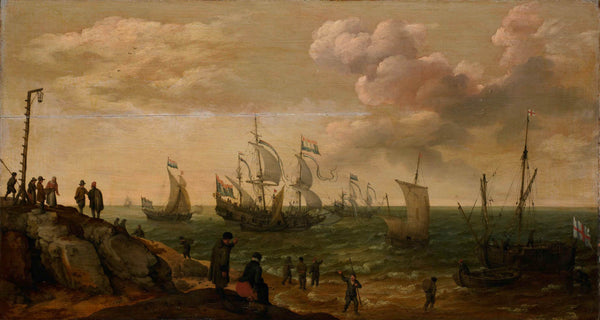
Adam Willaerts, 1628 - Ships along the Shore - fine art print

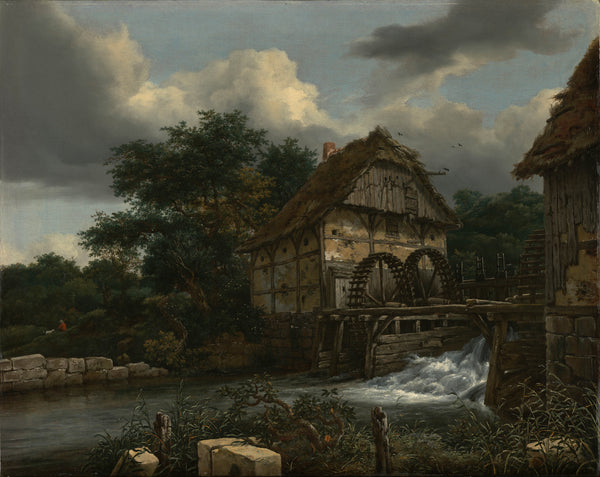
Jacob van Ruisdael, 1653 - Two Watermills and an Open Sluice - fine art print

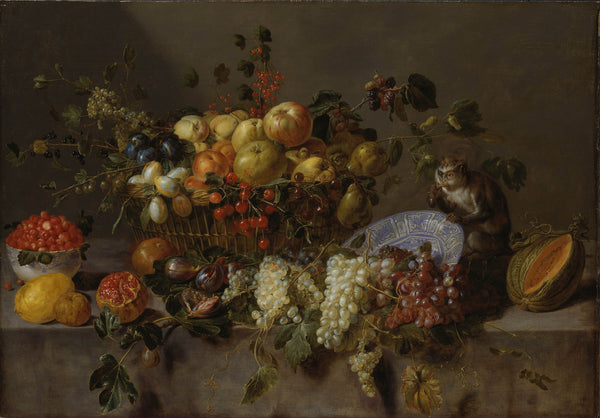

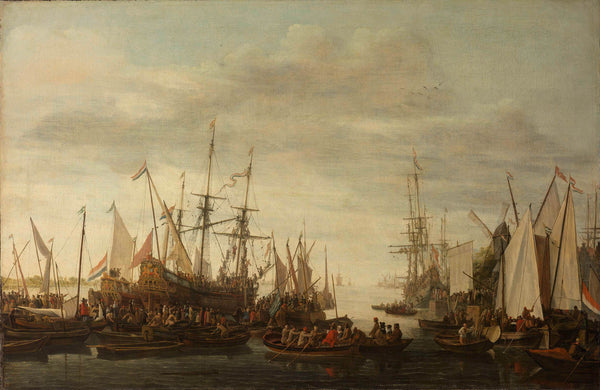


Salvator Rosa, 1665 - PolycratesCrucifixion - fine art print


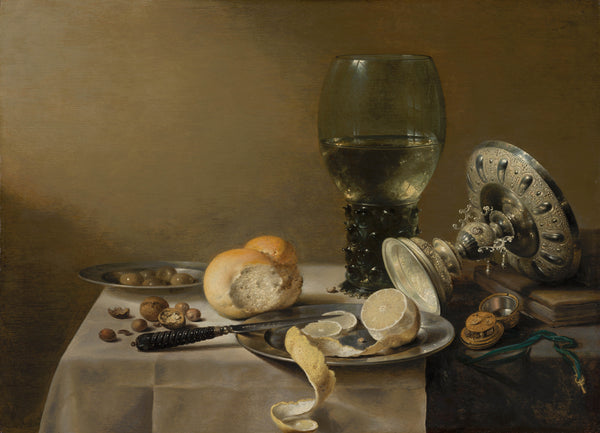
Pieter Claesz, 1636 - Still Life with Tazza - fine art print


Jacob van der Ulft, 1650 - Italian city view - fine art print


Peter Paul Rubens, 1615 - The Feast of Acheloüs - fine art print

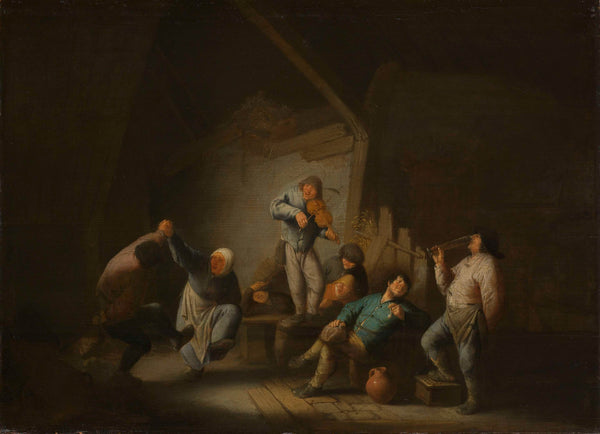
Adriaen van Ostade, 1625 - Dancing couple - fine art print


Nicolaes Pietersz Berchem, 1655 - Italian Landscape - fine art print

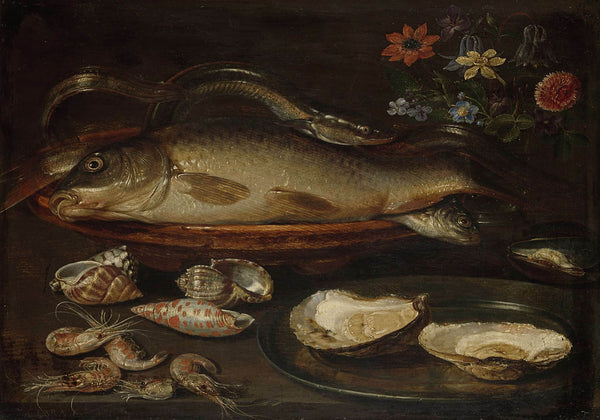
Clara Peeters, 1607 - Still life with fish, oysters and shrimps - fine art print


Bernardino Mei, 1656 - Allegory of Justice (Iustitia) - fine art print

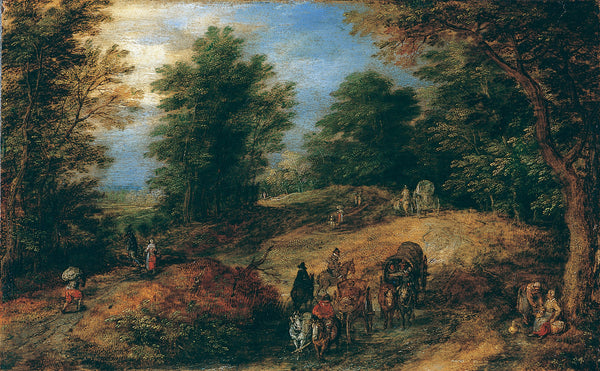


Bartholomeus Breenbergh, 1639 - Jacob Wrestling with the Angel - fine art print


Unknown, 1679 - View of the city of Ahmadabad - fine art print


Unknown, 1600 - Kostverloren house in Amsterdam - fine art print

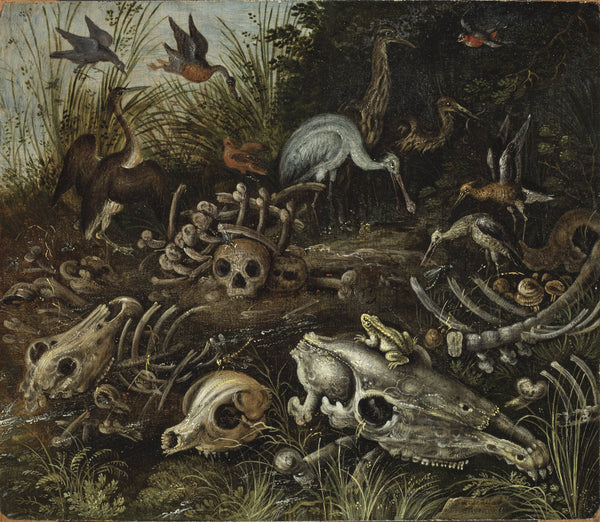
Roelant Savery, 1609 - Memento mori - fine art print


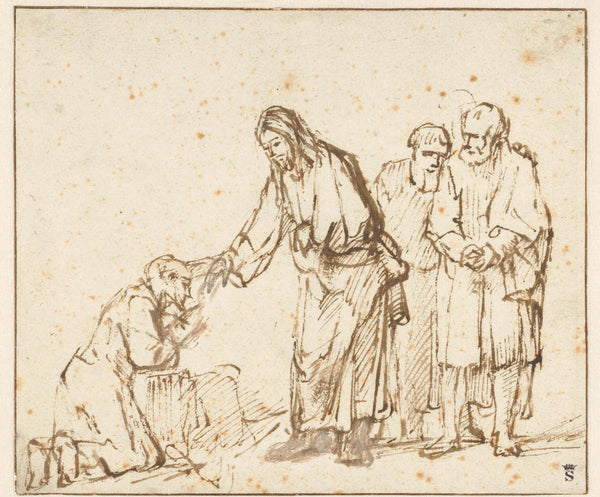
Rembrandt van Rijn, 1650 - Christ heals a leper - fine art print


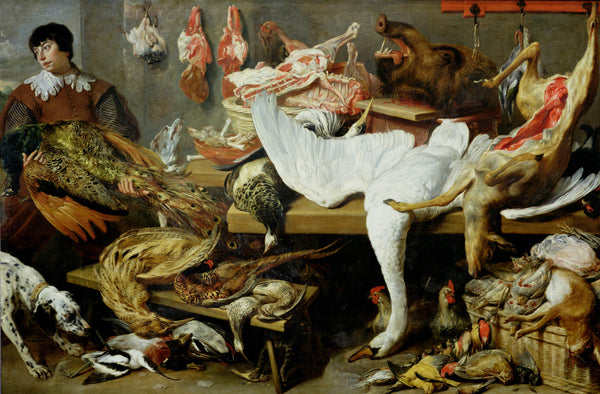
Frans Snyders, 1635 - A Game Stall - fine art print

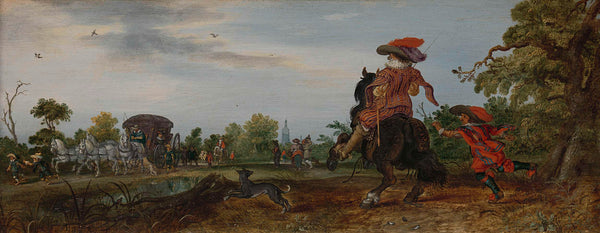
Adriaen Pietersz van de Venne, 1625 - Summer (Greeting) - fine art print


Unknown, 1630 - River view by moonlight - fine art print

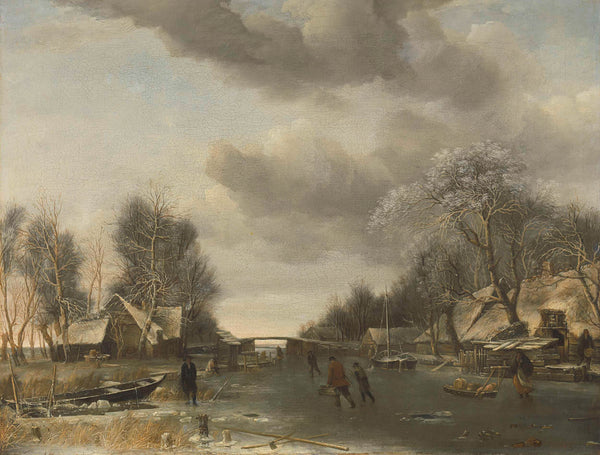
Jan van de Cappelle, 1652 - Winter Scene - fine art print


Georges de La Tour, 1630 - The MusiciansBrawl - fine art print

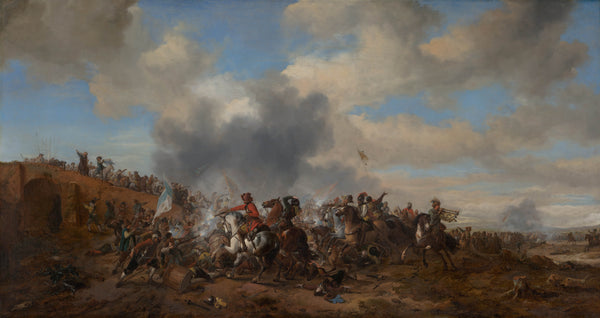
Philips Wouwerman, 1660 - Battle Scene - fine art print

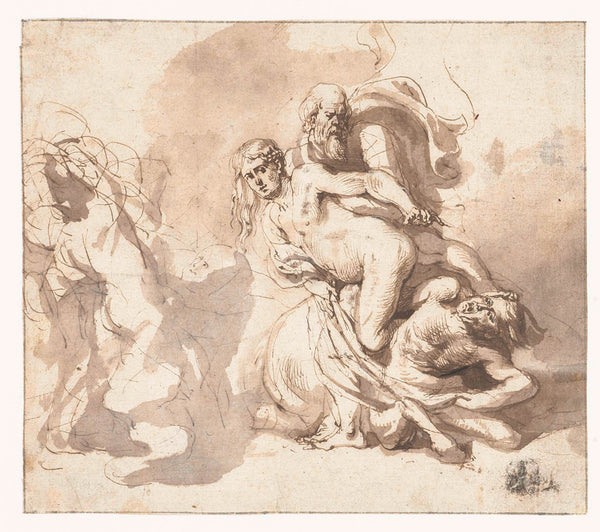
Peter Paul Rubens, 1608 - Battle between Lapiths and Centaurs - fine art print


Philips Wouwerman, 1650 - A Camp - fine art print


Abraham Genoels, 1670 - Landscape with Diana and Calliope - fine art print