
Art 17th century
The 17th century was a period of great artistic achievement in Europe, with Baroque style at its peak. The 17th century is often referred to as an age of religious art, with painting styles dominated by a prevailing mood of somberness and grandeur. This was in many ways a reflection of the political and religious turmoil of the time, with works focusing on themes such as death, judgment, faith, salvation and the Apocalypse. Yet at the same time one of the most important artistic developments was the secularization of art. With increasing wealth and cultural sophistication among all classes, artists turned to themes that would appeal to a wider public. While many paintings continued to emphasize religious ceremonies, figures or events, there was a growing trend for artists to show secular subjects, such as scenes from history and mythology. This was influenced by the changing political climate of the time—the end of the Thirty Years War in 1648 allowed painters and sculptors to make their art more realistic, while there was also a newfound interest in Classical antiquity. An important feature of Baroque art of the 17th century was its use of rich and contrasting colors, with the Baroque artists favoring a bold palette. Much of this colorfulness came from the addition of bright pigments made possible by new painting techniques and methods that allowed greater precision in the application of paint to canvas. Other new techniques in this period included the development of life-size nudes and a greater focus on realism, with artists paying close attention to details such as texture—this was known as "fine painting" or the "finer arts". There was a great deal of interest in depicting the natural world as accurately as possible. This included showing plants, animals and other objects such as fruit and flowers in a realistic manner. With this new sense of realism came a greater emphasis on the depiction of everyday life and the lives of ordinary people—the word "genre" was used to describe paintings that depicted everyday subjects. Renaissance styles were also a major influence in this period, particularly in Italy. High Renaissance artists such as Michelangelo and Raphael were still active, while new generations of artists developed styles similar to their work. The Baroque style was the dominant artistic movement in Italy throughout this period, although there were other influences from Mannerism and even some examples of naturalistic painting that emerged during the mid-17th century. The church had a dominant role in the production of art throughout the 17th century and many painters were also employed by church institutions, such as monasteries or convents. In addition, artists often received financial backing from benefactors—patrons who promised to provide support for an artist during their career in return for the right to buy a painting at the end of their life.


Johan van Haensbergen, 1665 - Nymphs Bathing - fine art print


Frans Hals, 1625 - Portrait of Aletta Hanemans (1606-1653) - fine art print


Nicolaes Maes, 1665 - Portrait of Jacob Trip (c.1576-1661) - fine art print


Aelbert Cuyp, 1650 - Travelers in Hilly Countryside - fine art print


Frans Hals, 1634 - Portrait of Tieleman Roosterman - fine art print


Abraham van Beyeren, 1666 - Silver Wine Jug, Ham, and Fruit - fine art print


Willem Kalf, 1663 - Wineglass and a Bowl of Fruit - fine art print


Anthony van Dyck, 1625 - A Genoese Lady with Her Child - fine art print


Peter Paul Rubens, 1625 - Portrait of Isabella Brant - fine art print


Emanuel de Witte, 1680 - Interior of a Church - fine art print


Herman van Swanevelt, 1630 - Landscape with Travelers - fine art print


David Teniers, 1640 - Peasants Smoking in an Inn - fine art print


Jacob Jordaens, 1650 - The Betrayal of Christ - fine art print


Jacob Ochtervelt, 1668 - A Musical Company - fine art print


Jacob van Ruisdael, 1660 - Wooded and Hilly Landscape - fine art print


Frans Francken, 1630 - The Triumph of Neptune and Amphitrite - fine art print


Hendrick ter Brugghen, 1621 - Saint Jerome - fine art print


Adriaen van de Velde, 1663 - Sleeping Shepherds - fine art print


Jan Baptist Weenix, 1648 - Hunters Near Ruins - fine art print


Abraham Hondius, 1670 - The Monkey and the Cat - fine art print


David Teniers, 1650 - Landscape with Peasants Dancing - fine art print

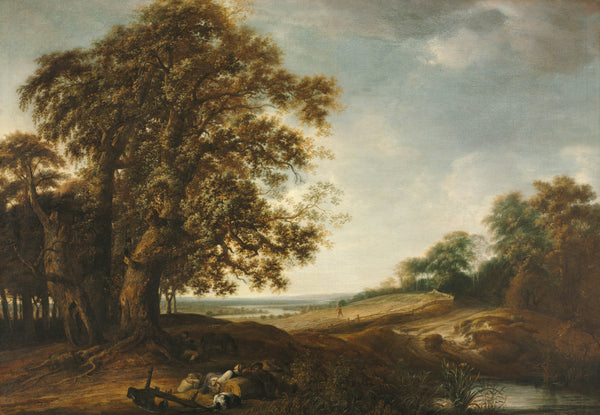


Dirck van Baburen, 1623 - Violin Player with a Wine Glass - fine art print


Melchior de Hondecoeter, 1680 - A Rooster and Turkey Fighting - fine art print


Hendrik Gerritsz. Pot, 1635 - Portrait of a Woman with a Dog - fine art print


Peter Paul Rubens, 1604 - Hero and Leander - fine art print


Jacob van Loo, 1650 - Bacchus and Ariadne - fine art print


Anthony van Dyck, 1630 - Ferdinand Boisschot - fine art print


Melchior d’Hondecoeter, 1670 - Animals and Plants of the Forest - fine art print


Jacob Salomons z. Ruysdael, 1660 - Landscape with Waterfalls - fine art print


Pieter Codde, 1628 - A Conversation - fine art print


Philips Wouwerman, 1646 - A Nobleman's Sleigh on the Ice - fine art print


Quirijn van Brekelenkam, 1662 - A Woman Washing her Hands - fine art print


Ferdinand Bol, 1653 - Women with Pearls in her Hair - fine art print


Richard Brakenburgh, 1699 - Dance in a Cottage - fine art print


Pieter de Grebber, 1628 - The Wrath of Ahasuerus - fine art print


Jan van de Cappelle, 1649 - Harbour Scene with Reflecting Water - fine art print


