
Art 17th century
The 17th century was a period of great artistic achievement in Europe, with Baroque style at its peak. The 17th century is often referred to as an age of religious art, with painting styles dominated by a prevailing mood of somberness and grandeur. This was in many ways a reflection of the political and religious turmoil of the time, with works focusing on themes such as death, judgment, faith, salvation and the Apocalypse. Yet at the same time one of the most important artistic developments was the secularization of art. With increasing wealth and cultural sophistication among all classes, artists turned to themes that would appeal to a wider public. While many paintings continued to emphasize religious ceremonies, figures or events, there was a growing trend for artists to show secular subjects, such as scenes from history and mythology. This was influenced by the changing political climate of the time—the end of the Thirty Years War in 1648 allowed painters and sculptors to make their art more realistic, while there was also a newfound interest in Classical antiquity. An important feature of Baroque art of the 17th century was its use of rich and contrasting colors, with the Baroque artists favoring a bold palette. Much of this colorfulness came from the addition of bright pigments made possible by new painting techniques and methods that allowed greater precision in the application of paint to canvas. Other new techniques in this period included the development of life-size nudes and a greater focus on realism, with artists paying close attention to details such as texture—this was known as "fine painting" or the "finer arts". There was a great deal of interest in depicting the natural world as accurately as possible. This included showing plants, animals and other objects such as fruit and flowers in a realistic manner. With this new sense of realism came a greater emphasis on the depiction of everyday life and the lives of ordinary people—the word "genre" was used to describe paintings that depicted everyday subjects. Renaissance styles were also a major influence in this period, particularly in Italy. High Renaissance artists such as Michelangelo and Raphael were still active, while new generations of artists developed styles similar to their work. The Baroque style was the dominant artistic movement in Italy throughout this period, although there were other influences from Mannerism and even some examples of naturalistic painting that emerged during the mid-17th century. The church had a dominant role in the production of art throughout the 17th century and many painters were also employed by church institutions, such as monasteries or convents. In addition, artists often received financial backing from benefactors—patrons who promised to provide support for an artist during their career in return for the right to buy a painting at the end of their life.


Unknown, 1600 - Spring - fine art print


Wybrand de Geest, 1631 - Portrait of a Boy with a Kolf Stick - fine art print


Caspar Netscher, 1668 - Girl Standing before a Mirror - fine art print


Hendrick ter Brugghen, 1628 - Democritus - fine art print

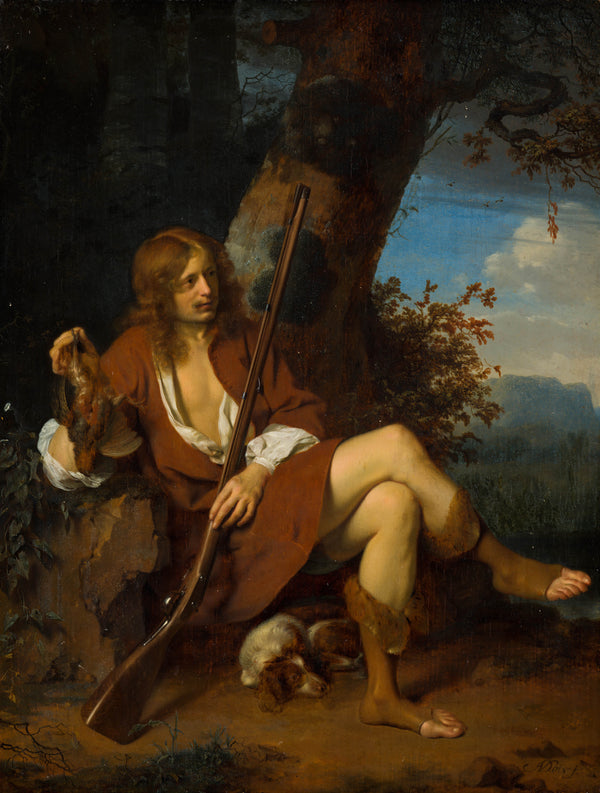
Arie de Vois, 1660 - Self-Portrait as a Hunter - fine art print


Unknown, 1650 - Lovers - fine art print


El Greco and Workshop, 1612 - The Adoration of the Shepherds - fine art print


Frans Hals, 1628 - An Old Lady - fine art print


Unknown, 1600 - Firewood-Ragini - fine art print


Jan Davidsz de Heem, 1660 - Festoon of Fruit and Flowers - fine art print


Frans Hals, 1650 - Portrait of a Woman - fine art print

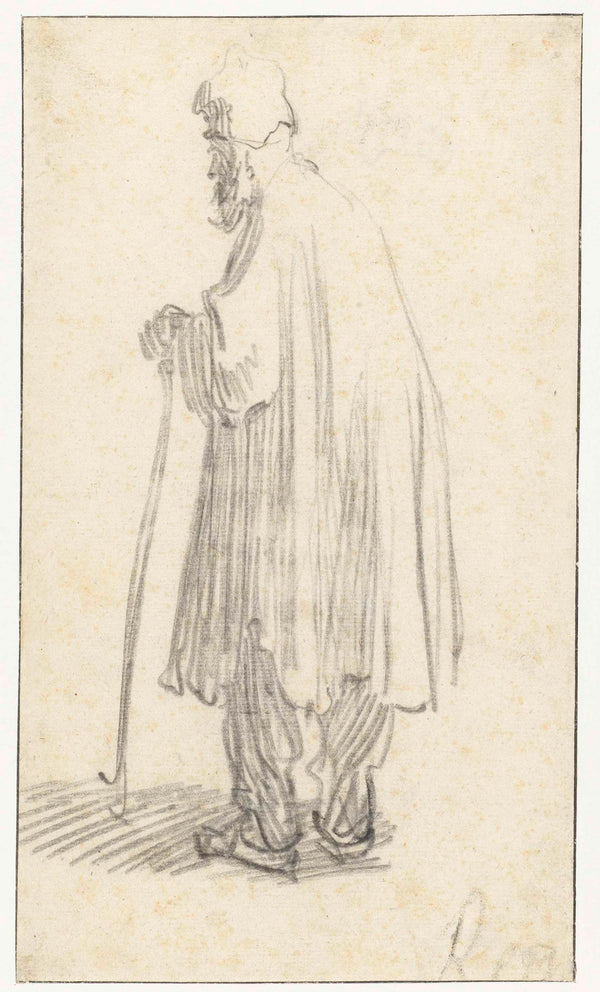


Jan Steen, 1670 - The Caudle Makers - fine art print


Unknown, 1680 - Marble Bust surrounded by a Festoon of Fruit - fine art print


Unknown, 1650 - Market Scene in Rome, Piazza Navonna - fine art print


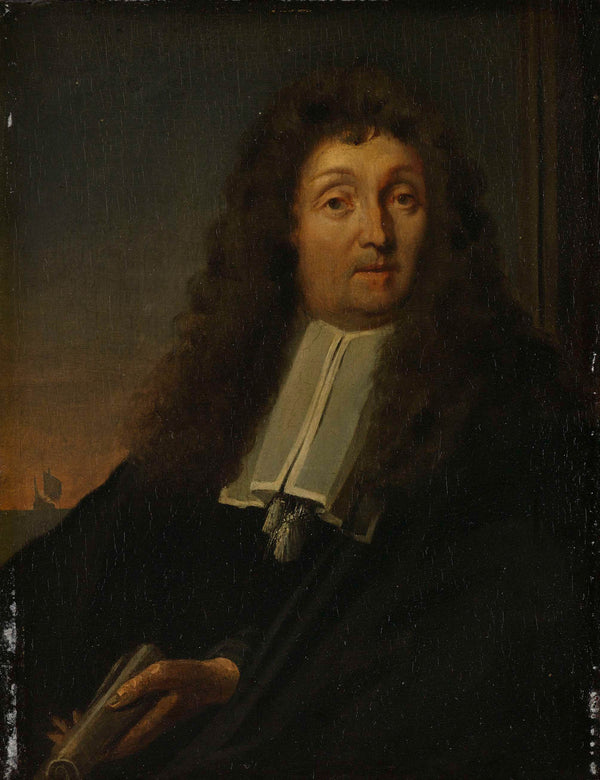
Ludolf Bakhuysen, 1690 - Self-Portrait - fine art print


Domenicus van Tol, 1660 - A mother giving her child the breast - fine art print


Jan van der Heyden, 1664 - Still Life with a Bible - fine art print


Filippo Tarchiani, 1607 - Saint Dominic in Penitence - fine art print


Godfried Schalcken, 1670 - Every one his fancy - fine art print


Georg Hainz, 1645 - Still Life with a Glass of Beer and Nuts - fine art print

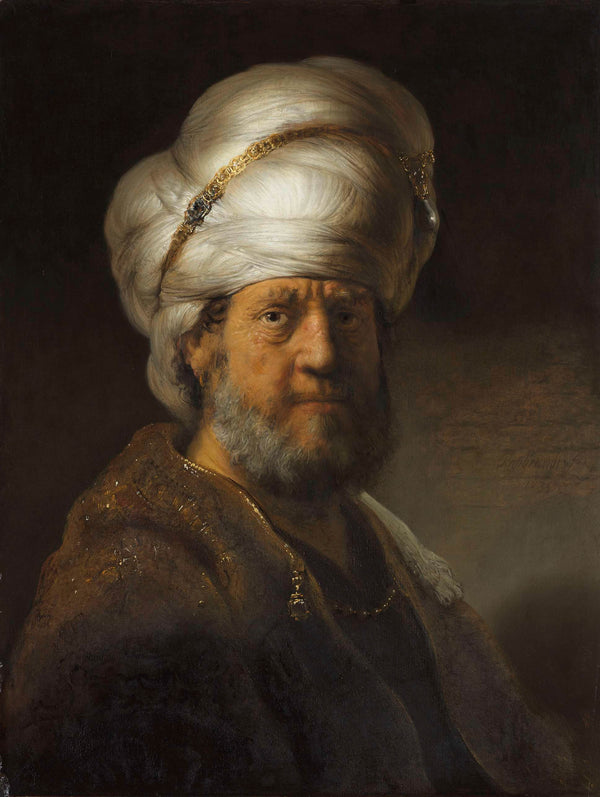
Rembrandt van Rijn, 1635 - Man in Oriental Dress - fine art print


Peter Paul Rubens, 1632 - The Coronation of the Virgin - fine art print


Salomon van Ruysdael, 1651 - View of Sailing Boats on a Lake - fine art print


Peter Paul Rubens, 1630 - Portrait of a Young Woman - fine art print


Unknown, 1675 - Jahangir sitting on a throne - fine art print


Rembrandt van Rijn, 1629 - A Head - fine art print


Unknown, 1620 - Portrait of a couple and four children - fine art print


Unknown, 1633 - Portrait of Adolf, Count of Nassau - fine art print


Unknown, 1622 - Portrait of Albert, Count of Nassau-Dillenburg - fine art print


Simon Verelst, 1669 - Flowers in a Vase - fine art print


Abraham van Beyeren, 1650 - Still Life with Lobster and Fruit - fine art print


Jacob Toorenvliet, 1660 - The music lesson - fine art print

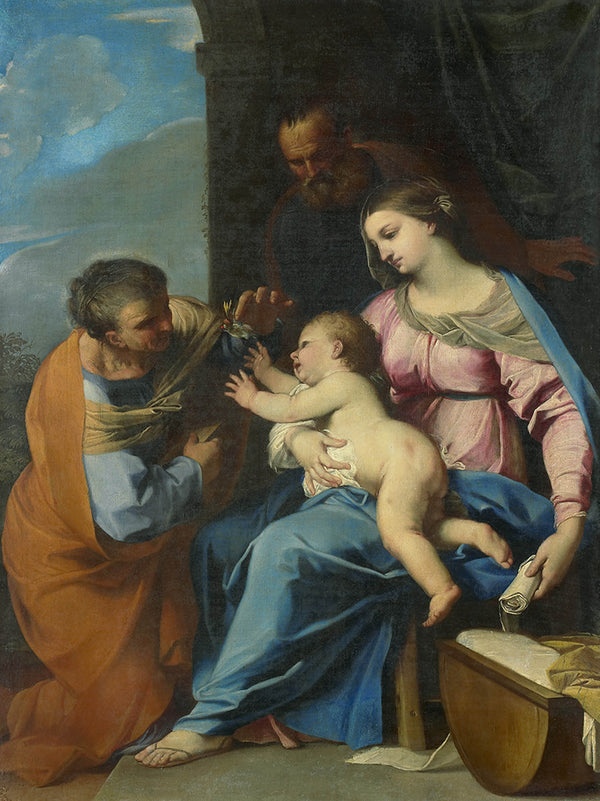
Raffaello Vanni, 1650 - The Holy Family and St Anne - fine art print


Dirck Dircksz. Santvoort, 1639 - Portrait of Elizabeth Spiegel - fine art print


Unknown, 1600 - Horseman attacked by lions (the prophet Balaam) - fine art print


