Art 18th century
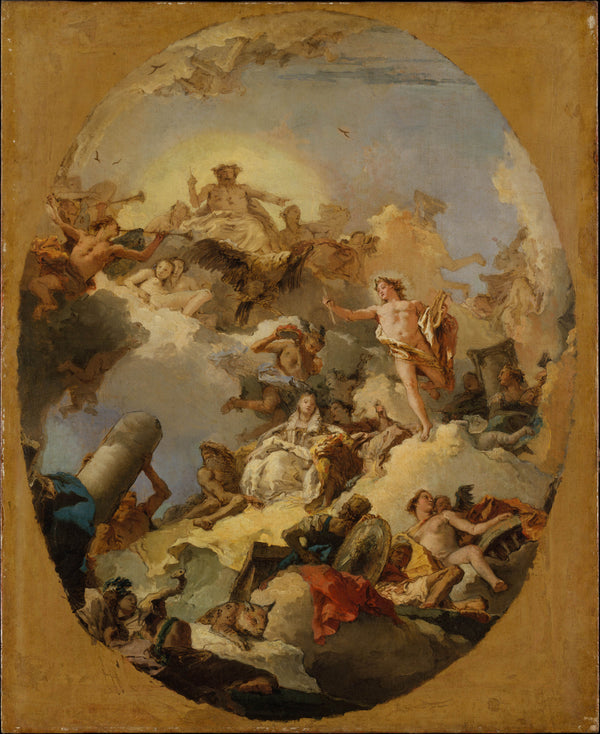
18th century art was mainly influenced by the Age of Enlightenment. The age of enlightenment brought about an explosion of artistic creativity as artists produced many forms of art such as portraits, landscapes and still life. New ideas and inventions transformed the art world and made it more diverse than ever before. In art, this new knowledge had an enormous impact on styles and painting techniques. The two most famous art styles of the 18th century were Rococo and Neoclassicism. Artists were not only painting, but developing new techniques. One of the most important breakthroughs was photo realism; it had a strong impact on the artists and their styles. Contemporary artists such as Rembrandt and Vermeer painted in a style called "fidelity", which showed the complete object with great detail. They tried to show everything including the smallest part. However, they took liberty with exaggerating certain features in order to enhance their understanding of the subject matter. For example, Rembrant is known for his exaggerated noses that were common in the Dutch society of the age. Another style, popular during the 18th century was "ideal". It involved depicting an object free from any perspective or specific viewpoint. These paintings usually depicted people in a calm and serene environment. The object was elevated above any sense of time and space. Titian and Raphael were well known for their idealism. Conceptual art began to appear during the 18th century as a result of new techniques in painting. These styles emphasized aspects like decorative patterns and line structures instead of showing an object from a specific viewpoint or with detailed realism. The mediums used by artists became more diverse as well, with painters trying new techniques such as oil on metal, instead of canvas. This technique was more durable and did not get damaged easily. Artists began to experiment with a variety of mediums; they also started mixing paint colors. The most famous form of art during the 18th century was Rococo art. It involved using elaborate ornamental designs. Paintings in this style became very elaborate and used a variety of colors. It emphasized the ornamental as opposed to the naturalistic elements. The artists paid less attention to realistic features, and focused more on decorative details like patterns, scrollwork or even special lighting effects. Examples of great Rococo artists are Boucher, Watteau and Fragonard. Other famous artists include Jean-Baptiste Chardin, who painted in a style such as "trompe l'oeil" or "fidelity". This technique was very effective for creating an illusion of three dimensions on a flat surface. The realism of this painting style was a change from the traditional style that had been in practice for centuries.

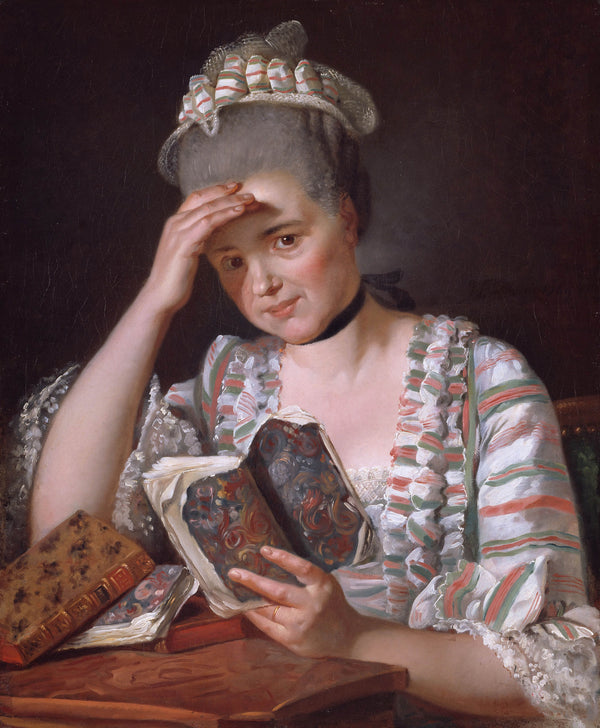
Jacques Louis David, 1769 - Madame Francois Buron - fine art print

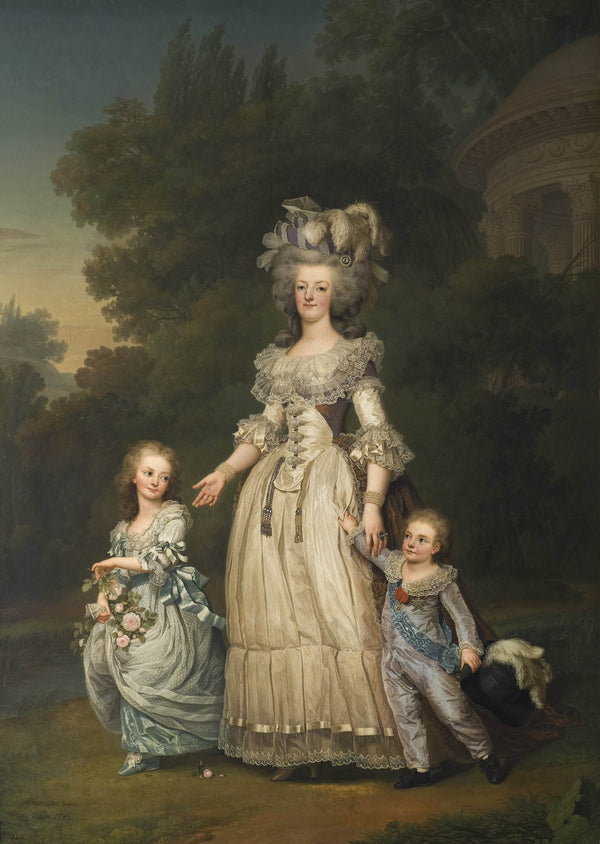


Nicolas-André Monsiaux ou Monsiau, 1789 - Death of Agis - fine art print


Alexis Grimou, 1700 - young Pilgrim - fine art print

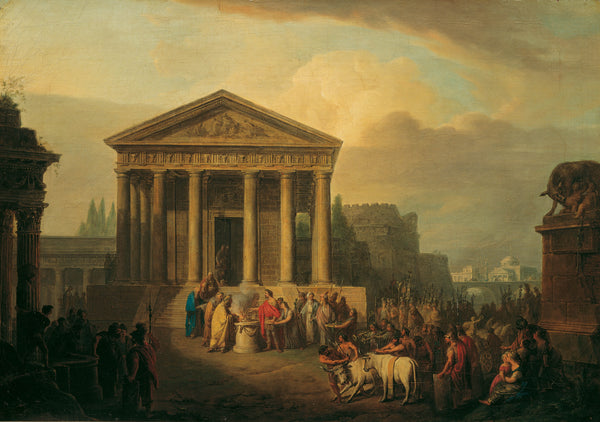
Vinzenz Fischer, 1791 - Sacrifice before Roman temple - fine art print

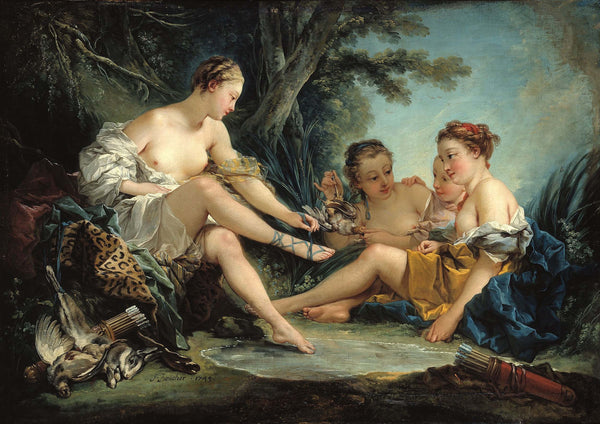




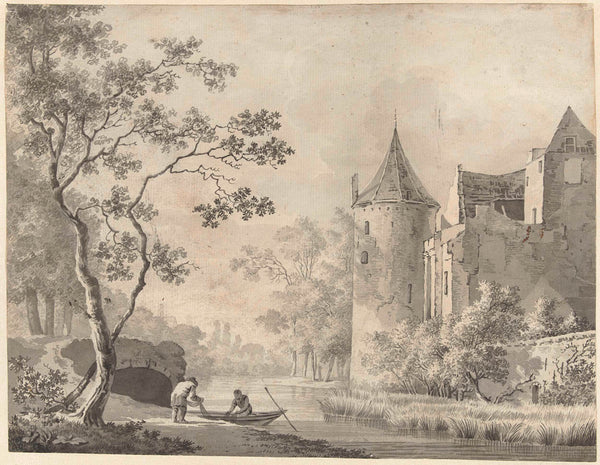
Unknown, 1700 - The castle ter Haar at Vleuten - fine art print


Joseph-Marie (l'Aîné) Vien, 1748 - black sultana - fine art print

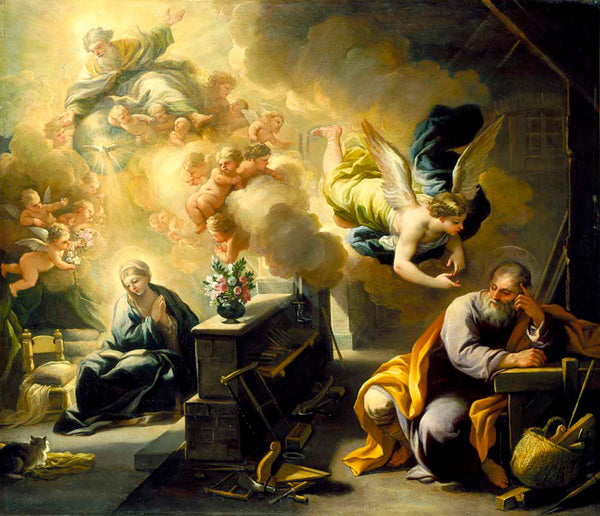
Luca Giordano, 1700 - The Dream of St. Joseph - fine art print


Joseph-Marie (l'Aîné) Vien, 1748 - Ambassadeur you Mogol - fine art print

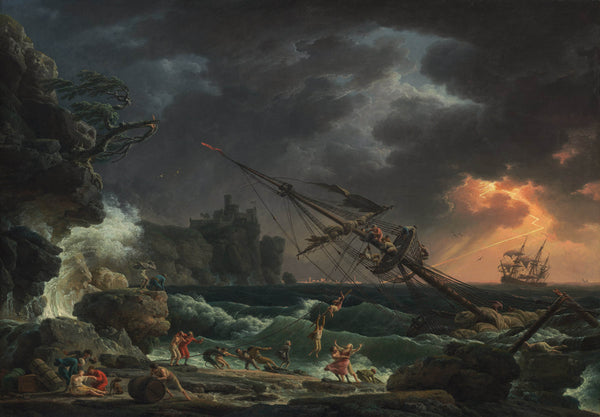
Claude-Joseph Vernet, 1772 - The Shipwreck - fine art print


Anonymous, 1798 - Officer Portrait. - fine art print

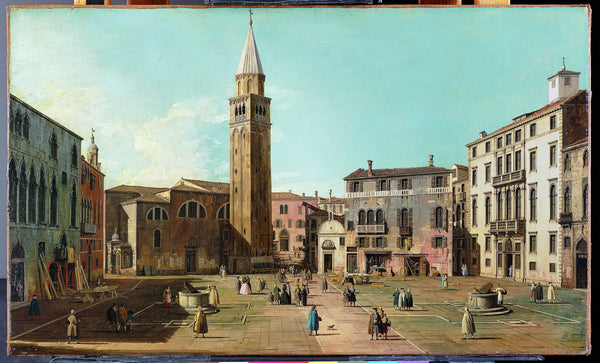
Canaletto, 1730 - Campo SantAngelo, Venice - fine art print


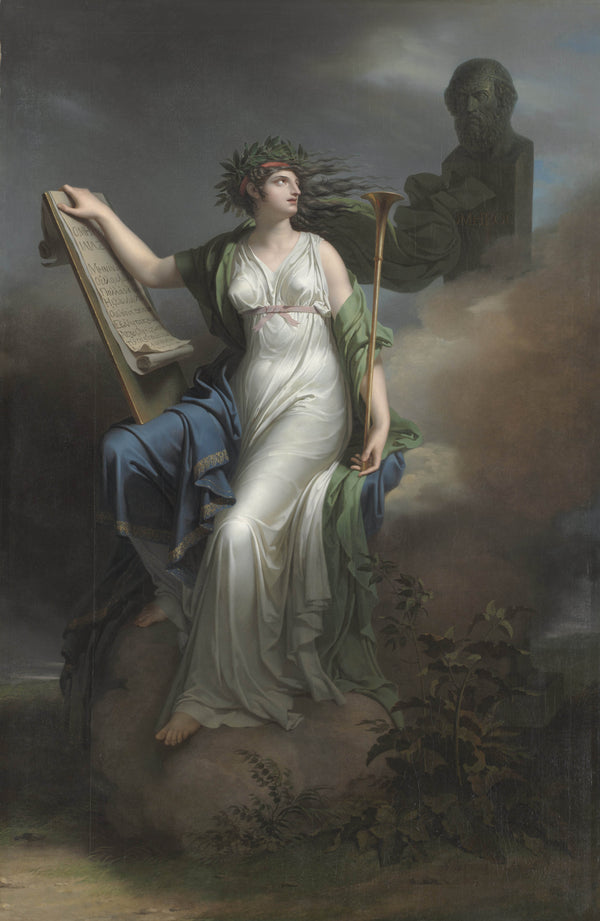
Charles Meynier, 1798 - Calliope, Muse of Epic Poetry - fine art print


Jacques Charlier, 1780 - Venus leaning on a column - fine art print


N. Knop, 1779 - View of Smyrna (Izmir) - fine art print

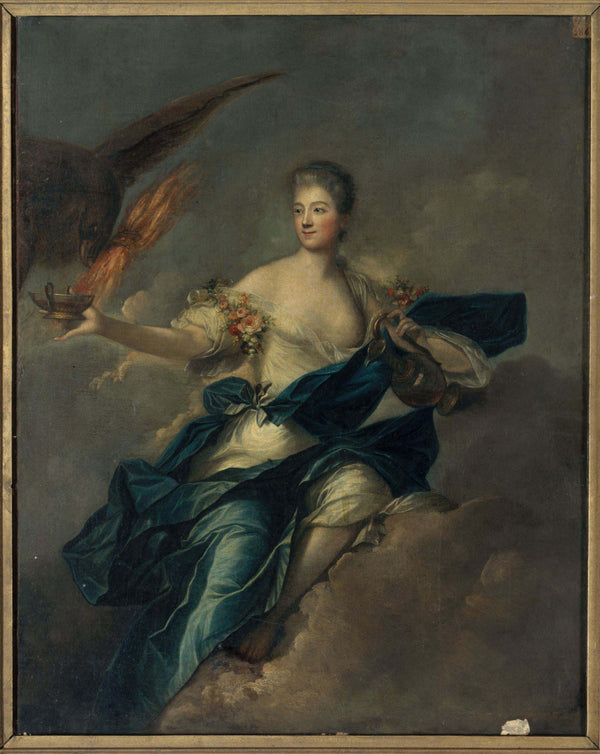

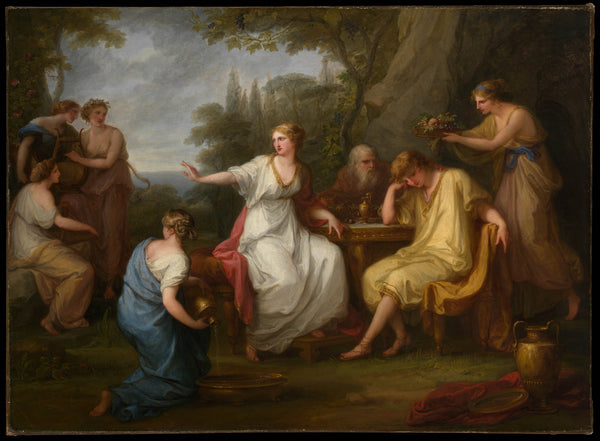
Angelica Kauffmann, 1783 - The Sorrow of Telemachus - fine art print


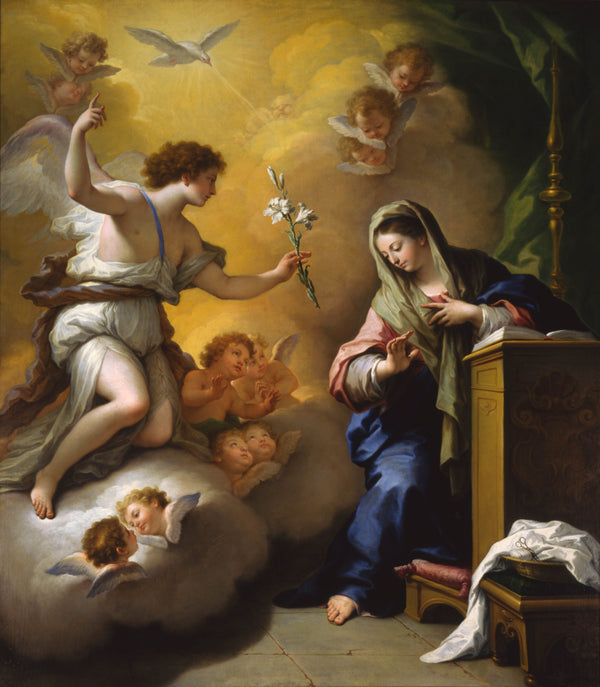
Paolo de Matteis, 1712 - The Annunciation - fine art print

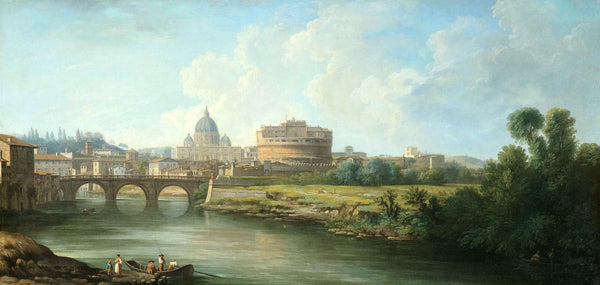
Unknown, 1750 - View of the Castel SantAngelo in Rome - fine art print


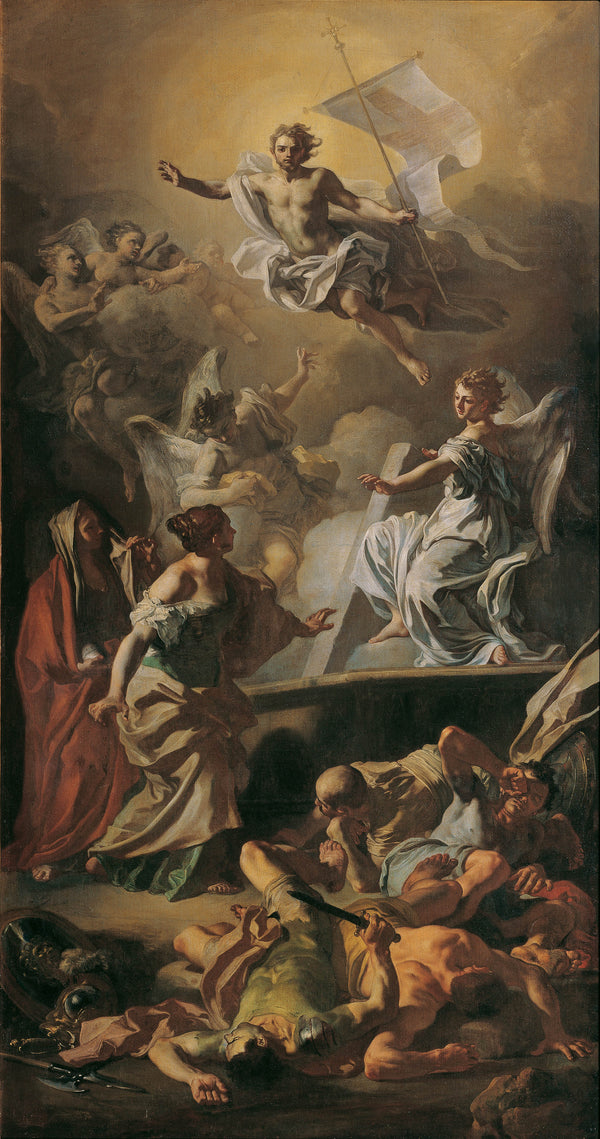
Francesco Solimena, 1720 - Resurrection - fine art print



Unknown, 1760 - Decorative Depiction with Plants and Animals - fine art print


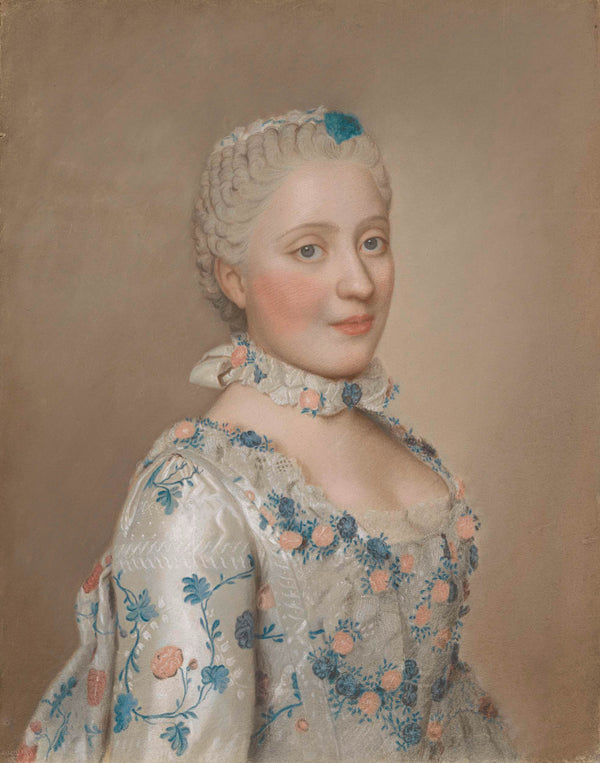



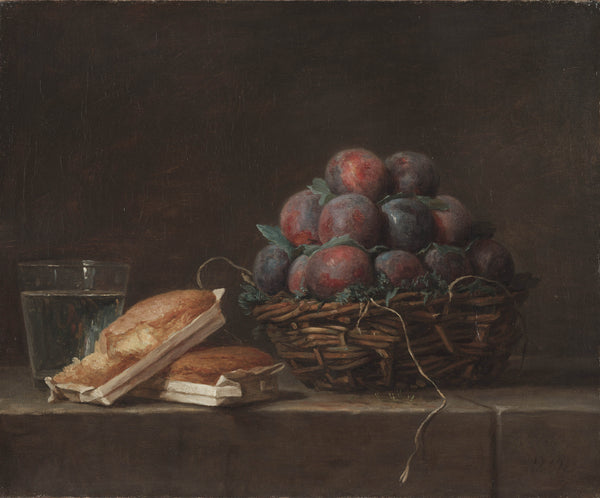
Anne Vallayer-Coster, 1769 - Basket of Plums - fine art print

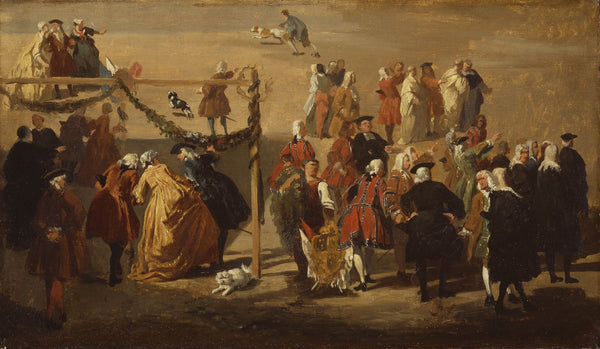
Giovanni Paolo Panini, 1729 - Festival in Piazza Navona - fine art print


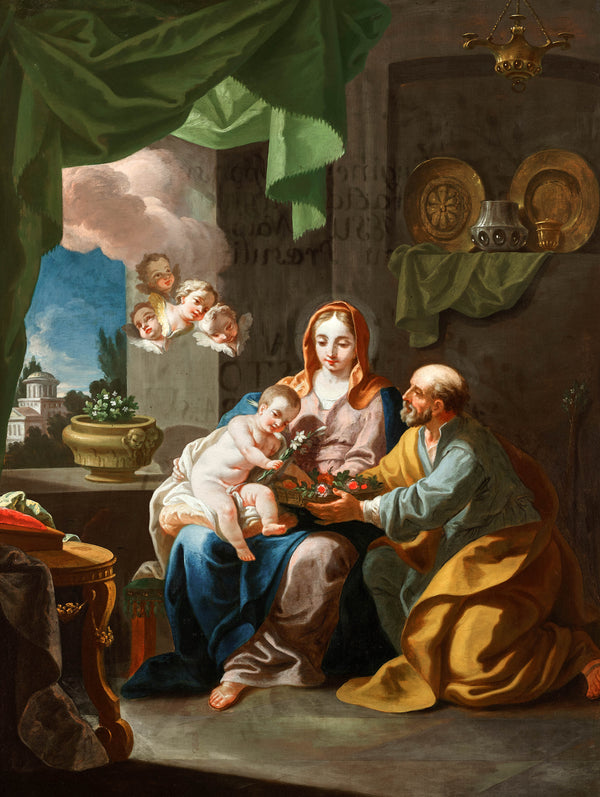
Daniel Gran, 1747 - The Holy Family - fine art print

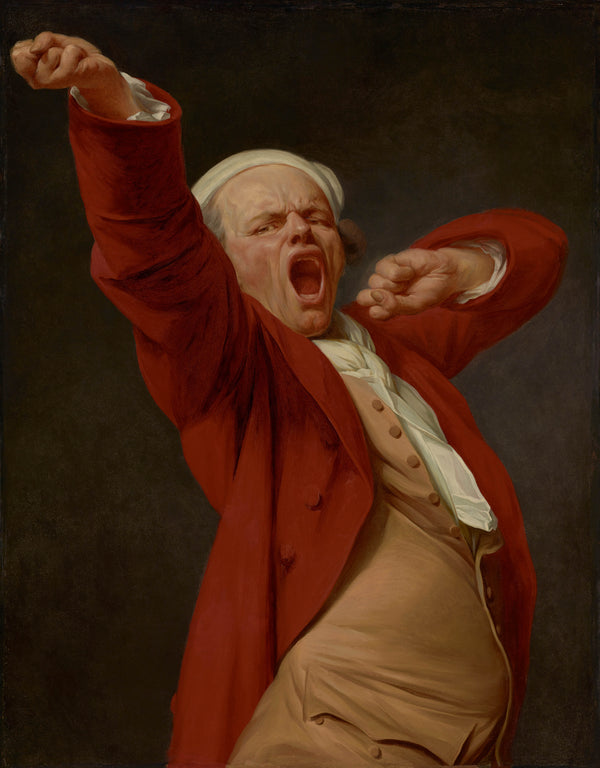
Joseph Ducreux, 1783 - Self-Portrait, Yawning - fine art print


Unknown, 1700 - Are Nicolaasfeest - fine art print

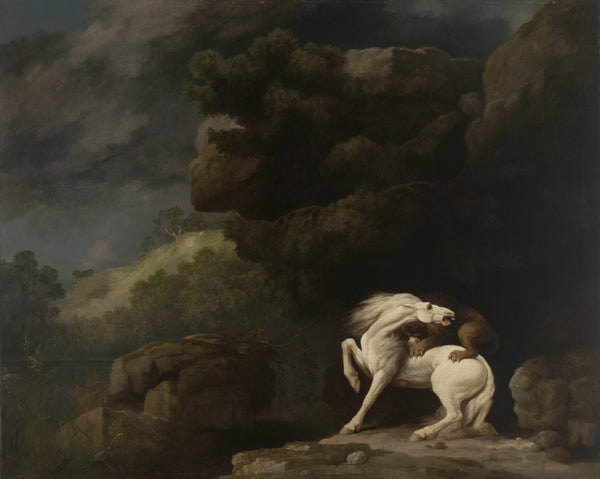
George Stubbs, 1770 - A Lion Attacking a Horse - fine art print


Adolf Ulrik Wertmüller, 1795 - George Washington - fine art print


Jean Honoré Fragonard, 1772 - Allegory of Vigilance - fine art print