
Art 18th century
18th century art was mainly influenced by the Age of Enlightenment. The age of enlightenment brought about an explosion of artistic creativity as artists produced many forms of art such as portraits, landscapes and still life. New ideas and inventions transformed the art world and made it more diverse than ever before. In art, this new knowledge had an enormous impact on styles and painting techniques. The two most famous art styles of the 18th century were Rococo and Neoclassicism. Artists were not only painting, but developing new techniques. One of the most important breakthroughs was photo realism; it had a strong impact on the artists and their styles. Contemporary artists such as Rembrandt and Vermeer painted in a style called "fidelity", which showed the complete object with great detail. They tried to show everything including the smallest part. However, they took liberty with exaggerating certain features in order to enhance their understanding of the subject matter. For example, Rembrant is known for his exaggerated noses that were common in the Dutch society of the age. Another style, popular during the 18th century was "ideal". It involved depicting an object free from any perspective or specific viewpoint. These paintings usually depicted people in a calm and serene environment. The object was elevated above any sense of time and space. Titian and Raphael were well known for their idealism. Conceptual art began to appear during the 18th century as a result of new techniques in painting. These styles emphasized aspects like decorative patterns and line structures instead of showing an object from a specific viewpoint or with detailed realism. The mediums used by artists became more diverse as well, with painters trying new techniques such as oil on metal, instead of canvas. This technique was more durable and did not get damaged easily. Artists began to experiment with a variety of mediums; they also started mixing paint colors. The most famous form of art during the 18th century was Rococo art. It involved using elaborate ornamental designs. Paintings in this style became very elaborate and used a variety of colors. It emphasized the ornamental as opposed to the naturalistic elements. The artists paid less attention to realistic features, and focused more on decorative details like patterns, scrollwork or even special lighting effects. Examples of great Rococo artists are Boucher, Watteau and Fragonard. Other famous artists include Jean-Baptiste Chardin, who painted in a style such as "trompe l'oeil" or "fidelity". This technique was very effective for creating an illusion of three dimensions on a flat surface. The realism of this painting style was a change from the traditional style that had been in practice for centuries.


Martin Johann Schmidt, 1765 - The holy hermits Anthony and Paul - fine art print


Willem van Mieris, 1718 - The Raree show (It Fraay Whimsical) - fine art print


Martin Johann Schmidt, 1788 - Venus and Cupid - fine art print


Franz Anton Maulbertsch, 1755 - Susanna before the judges - fine art print


Follower of Canaletto, 1745 - Portico with a Lantern - fine art print


Jacob de Wit, 1705 - Mansportret, left - fine art print


Pietro Longhi, 1755 - Masked Party in a Courtyard - fine art print


Paul Troger, 1750 - Christ on the Mount of Olives - fine art print


Johann Georg Platzer, 1750 - The Artist's Studio - fine art print


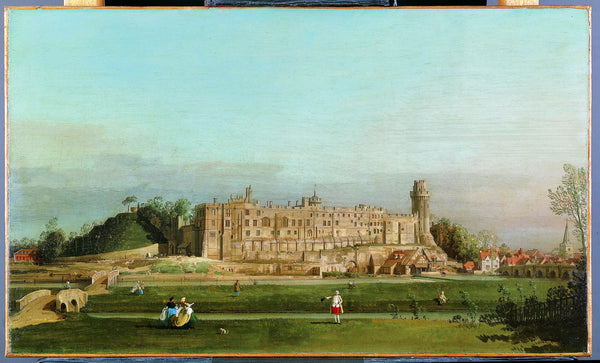
Canaletto, 1748 - Warwick Castle - fine art print


Jean-Baptiste Joseph Pater, 1725 - Troops on the March - fine art print


Cornelis Troost, 1745 - Lady with Cupid and a Songbook - fine art print


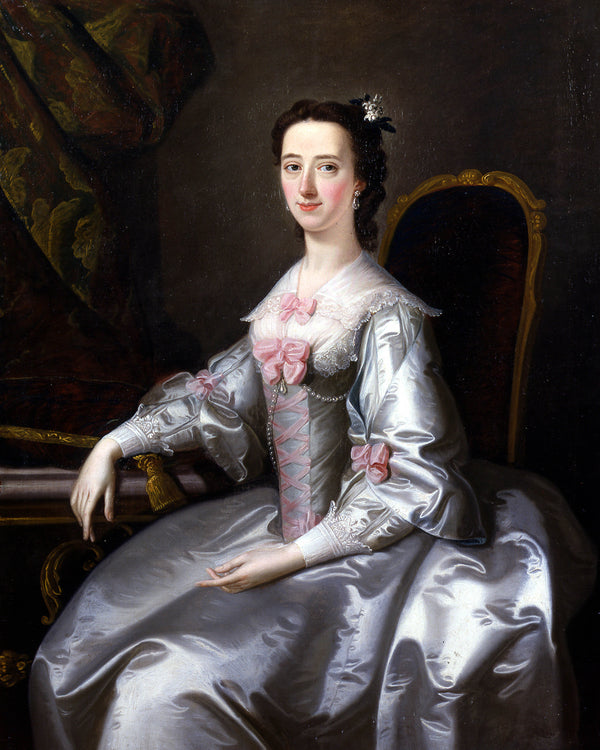
Henry Pickering, 1752 - Mrs Rowe - fine art print


Henry Pickering, 1752 - Alderman James Rowe - fine art print

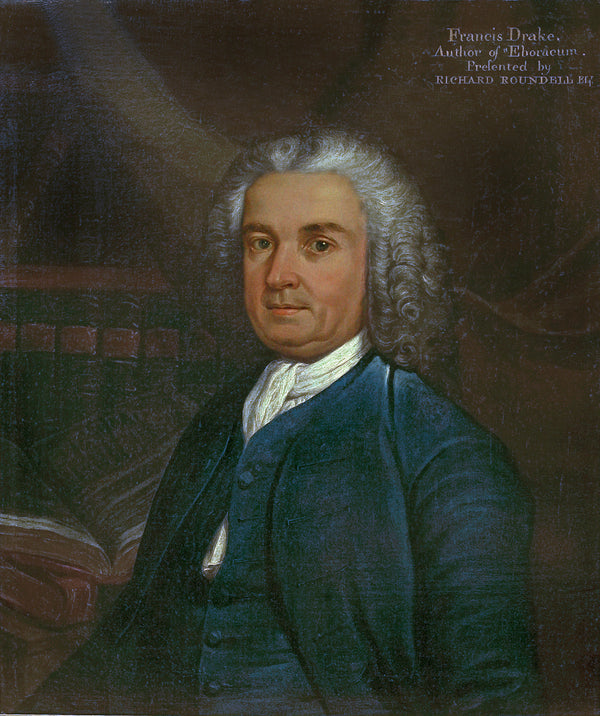
Nathan Drake, 1756 - Francis Drake - fine art print


Martino Altomonte, 1728 - Crucifix with Mary Magdalene - fine art print

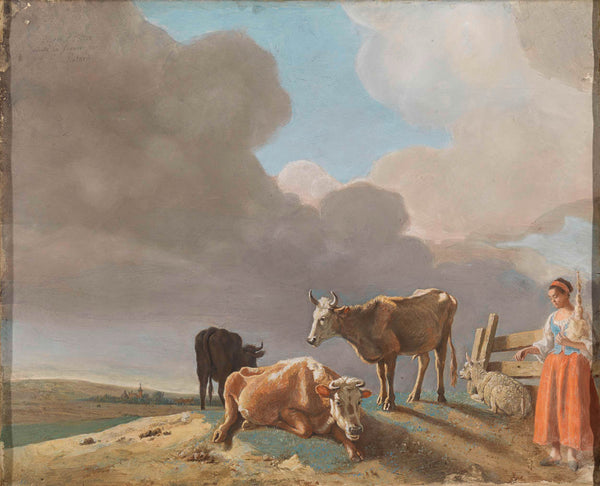


Antoine Watteau, 1709 - Le Défile (The Line of March) - fine art print


Jacob van Strij, 1766 - Landscape with poldermolen - fine art print


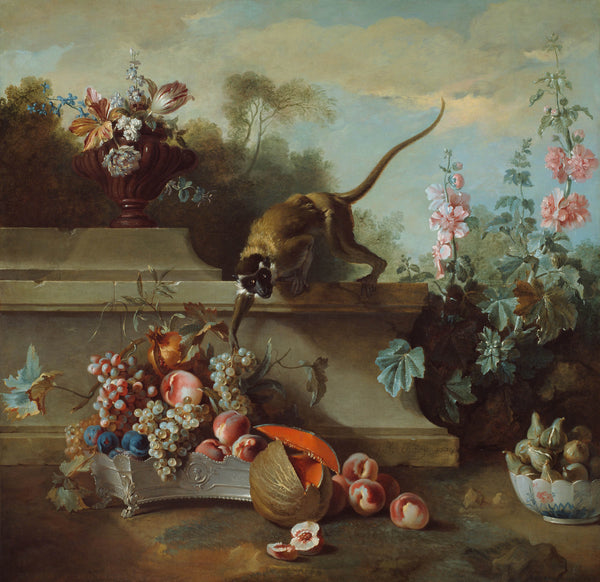
Coenraet Roepel, 1721 - Still Life with Fruit - fine art print


Abraham Delfos, 1741 - No one spoke per (one Said) - fine art print


Piat Joseph Sauvage, 18th century - Putti with Birds - fine art print


Sara Troost, 1769 - The friends started talking - fine art print


Cornelis Troost, 1741 - Portrait of a Lady - fine art print


Sir Joshua Reynolds, 1765 - Portrait of Captain John Foote - fine art print

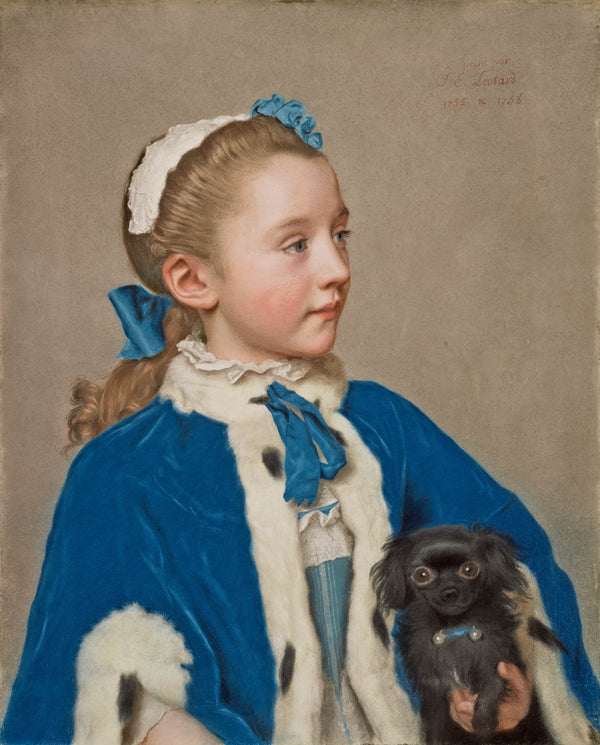


Luis Meléndez, 1772 - The Afternoon Meal (La Merienda) - fine art print

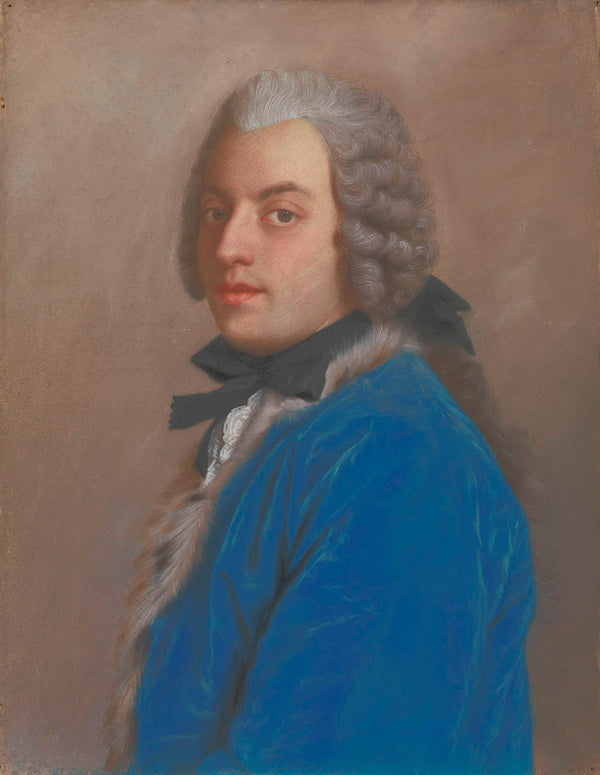
Jean-Etienne Liotard, 1745 - Portrait of Count Francis Pyle - fine art print




Jean Bernard, 1775 - Chicken, standing on a hillock - fine art print


Lewis Vaslet, 1788 - Portrait of Miss Elizabeth Heathcote - fine art print


