
Art 18th century
18th century art was mainly influenced by the Age of Enlightenment. The age of enlightenment brought about an explosion of artistic creativity as artists produced many forms of art such as portraits, landscapes and still life. New ideas and inventions transformed the art world and made it more diverse than ever before. In art, this new knowledge had an enormous impact on styles and painting techniques. The two most famous art styles of the 18th century were Rococo and Neoclassicism. Artists were not only painting, but developing new techniques. One of the most important breakthroughs was photo realism; it had a strong impact on the artists and their styles. Contemporary artists such as Rembrandt and Vermeer painted in a style called "fidelity", which showed the complete object with great detail. They tried to show everything including the smallest part. However, they took liberty with exaggerating certain features in order to enhance their understanding of the subject matter. For example, Rembrant is known for his exaggerated noses that were common in the Dutch society of the age. Another style, popular during the 18th century was "ideal". It involved depicting an object free from any perspective or specific viewpoint. These paintings usually depicted people in a calm and serene environment. The object was elevated above any sense of time and space. Titian and Raphael were well known for their idealism. Conceptual art began to appear during the 18th century as a result of new techniques in painting. These styles emphasized aspects like decorative patterns and line structures instead of showing an object from a specific viewpoint or with detailed realism. The mediums used by artists became more diverse as well, with painters trying new techniques such as oil on metal, instead of canvas. This technique was more durable and did not get damaged easily. Artists began to experiment with a variety of mediums; they also started mixing paint colors. The most famous form of art during the 18th century was Rococo art. It involved using elaborate ornamental designs. Paintings in this style became very elaborate and used a variety of colors. It emphasized the ornamental as opposed to the naturalistic elements. The artists paid less attention to realistic features, and focused more on decorative details like patterns, scrollwork or even special lighting effects. Examples of great Rococo artists are Boucher, Watteau and Fragonard. Other famous artists include Jean-Baptiste Chardin, who painted in a style such as "trompe l'oeil" or "fidelity". This technique was very effective for creating an illusion of three dimensions on a flat surface. The realism of this painting style was a change from the traditional style that had been in practice for centuries.


Balthazar Nebot, 1762 - Aysgarth Falls, Yorkshire - fine art print


Abraham Pether, 1785 - Wooded hilly landscape - fine art print


William Hogarth, 1731 - After - fine art print


Sir Joshua Reynolds, 1765 - Miss Beatrix Lister - fine art print


Paul Sandby, 1772 - Old Bridge at Shrewsbury - fine art print


Paul Sandby, 1783 - View at Charlton, Kent - fine art print


Thomas Gainsborough, 1777 - Mrs. Paul Cobb Methuen - fine art print


Thomas Gainsborough, 1782 - Seashore with Fishermen - fine art print


Francis Wheatley, 1785 - The Saithwaite Family - fine art print


Thomas Gainsborough, 1765 - Spitz Dog - fine art print


Thomas Hearne, 1754 - View of Derwentwater, Borrowdale towards - fine art print


Joseph Blackburn, 1752 - Portrait of Mrs. John Pigott - fine art print


George Romney, 1787 - Mrs. Francis Russell - fine art print


George Romney, 1795 - Self-Portrait - fine art print


Charles Brooking, 1755 - Shipping in the English Channel - fine art print


Sir Joshua Reynolds, 1774 - Omai - fine art print

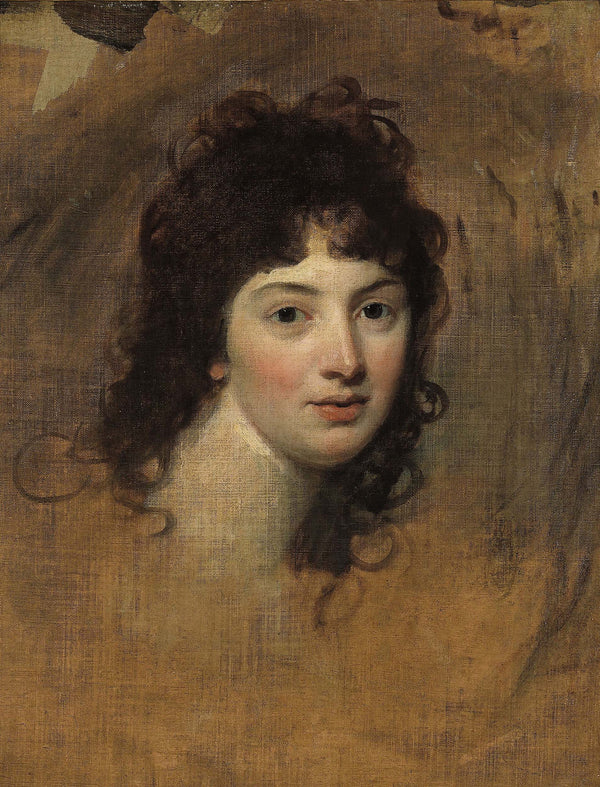
George Romney, 1780 - Portrait of woman - fine art print


Jonathan Richardson the elder, 1715 - Sir Andrew Fountaine - fine art print


John Russell, 1767 - Portrait of a Man in a Tricorn Hat - fine art print


Charles Howard Hodges, 1790 - Portrait of a Woman - fine art print


Thomas Gainsborough, 1772 - Wooded Landscape with Village Scene - fine art print


William Blake, 1799 - The Angel Appearing to Zacharias - fine art print


Joseph Blackburn, 1762 - Samuel Cutts - fine art print


Pierpont Limner, 1711 - Mrs. James Pierpont (Mary Hooker) - fine art print


Balthazar Nebot, 1730 - Allegory of Fortune - fine art print

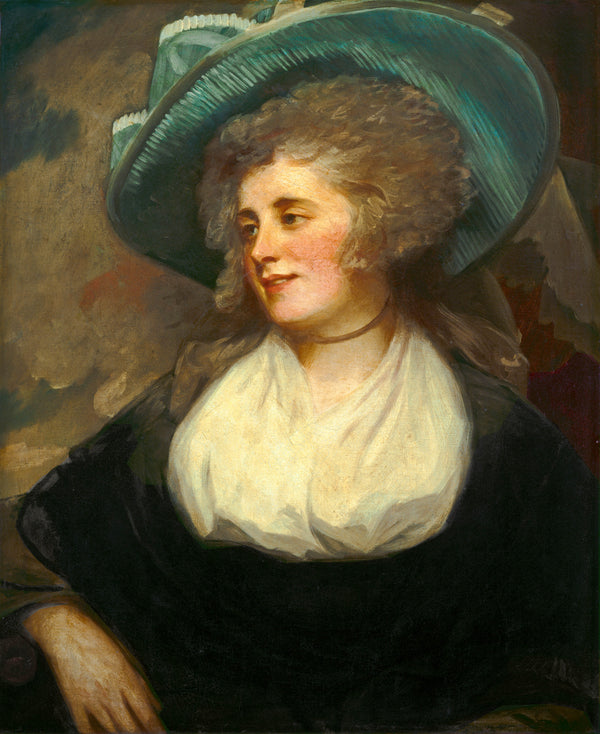
George Romney, 1788 - Lady Arabella Ward - fine art print


Gainsborough Dupont, 1788 - Portrait of Mary Anne Jolliffe - fine art print

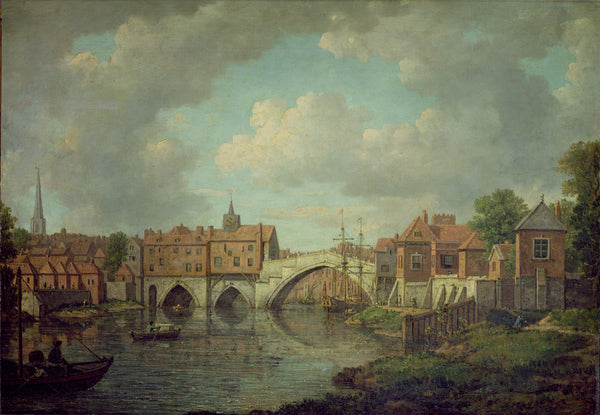
William Marlow, 1768 - The Old Ouse Bridge, York - fine art print


George Romney, 1767 - Portrait of Rev. Richard Stables - fine art print


Thomas Gainsborough, 1787 - A Boy with a Cat—Morning - fine art print


