Expressionism
Expressionism was a modern art movement that originated in the early 20th century in Germany. Expressionists used their works to communicate feeling and emotion. They believed that creating an emotional response from the viewer would be the most effective way of communicating their message. In fact, some expressionist painters even destroyed their paintings at the end of each day because they felt that they have failed to communicate their message. It is said that this movement was created as a reaction to the destruction caused by World War I. Cultural life had been disrupted and many artists lost faith in the old values. A new generation of artists wanted to express their inner feelings and emotions. Expressionists used vivid colors, distorted figures and bold lines in their paintings. Their works were often characterized by the use of heavy black lines and strong contrasts between light and darkness. The intention of expressionist painters was not just to reproduce the world around them. Instead, they wanted to use their works to portray their own interpretation of the world. Therefore, most expressionist paintings are characterized by the idea that one can experience a certain emotion when looking at the painting. Religious motifs were very common in expressionist artworks. Artists believed that only in expressing themselves could they find salvation and peace in an increasingly fragmented world. Expressionist artists also used techniques like distortion and exaggeration to communicate their message more effectively. For instance, expressionist painters often presented religious or mythological figures as human beings instead of godly beings or creatures. They did this in order to make it easier for the viewers to relate to what they are portraying. Expressionism was a very short-lived art movement. It originated in Germany during the 1910s and died out by the 1920s because many artists could not escape from World War II. Modern Expressionism is also a late 20th century art movement. However, it is considered to be an extension of expressionist ideas rather than a revival of early expressionist movements. Although, there are still many similarities between the two art movements, modern expressionism has a much more complex style compared to early expressionist artworks.

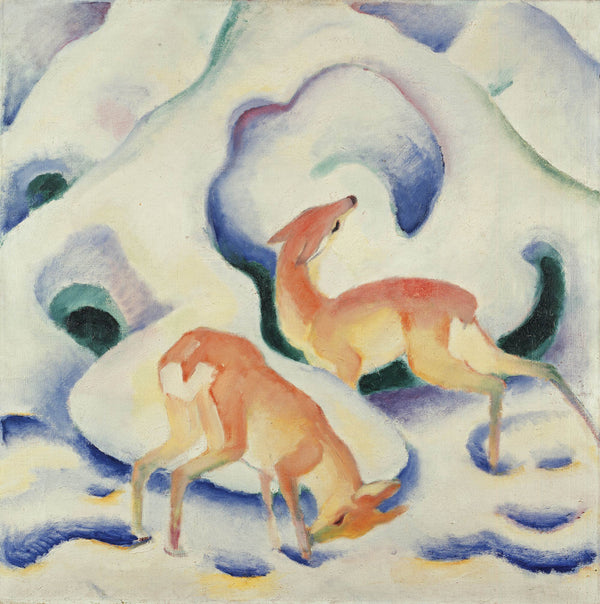
Franz Marc, 1911 - Deer in the snow - fine art print
À partir de 18,99 €


Ernst Ludwig Kirchner, 1918 - Pink Roses - fine art print
À partir de 27,99 €

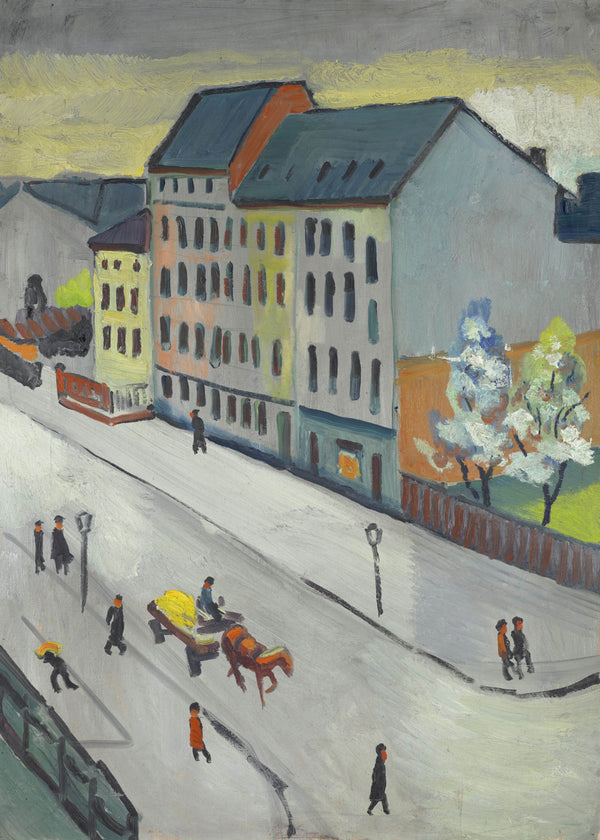
August Macke, 1911 - Our street in gray - fine art print
À partir de 29,99 €

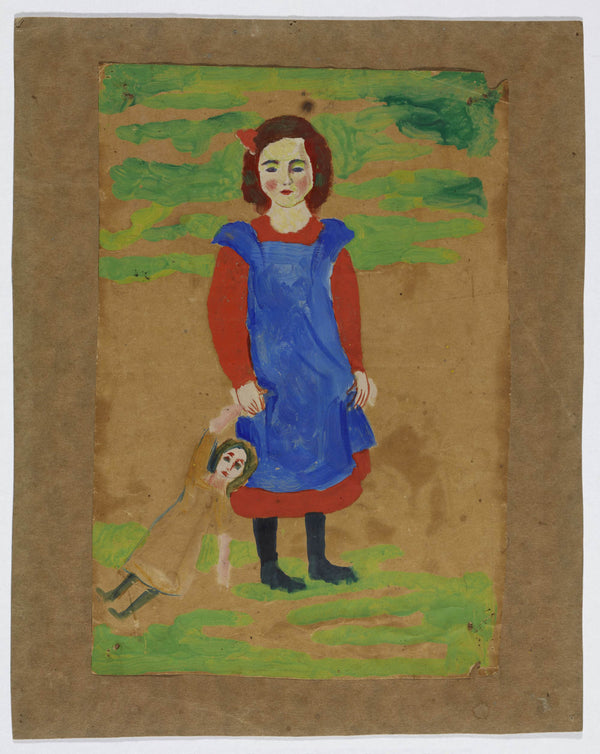
August Macke, 1911 - Child with doll - fine art print
À partir de 27,99 €

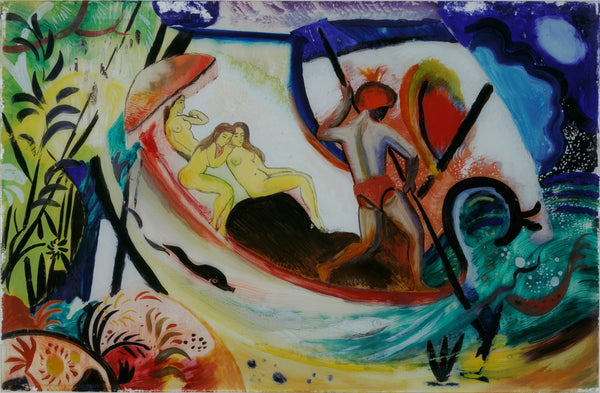
August Macke, 1912 - Three girls in a skiff - fine art print
À partir de 26,99 €

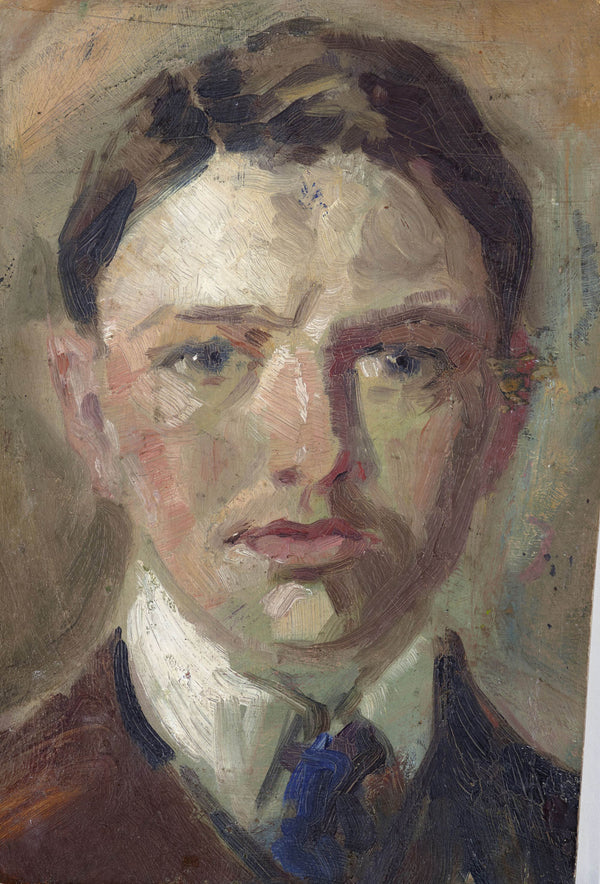
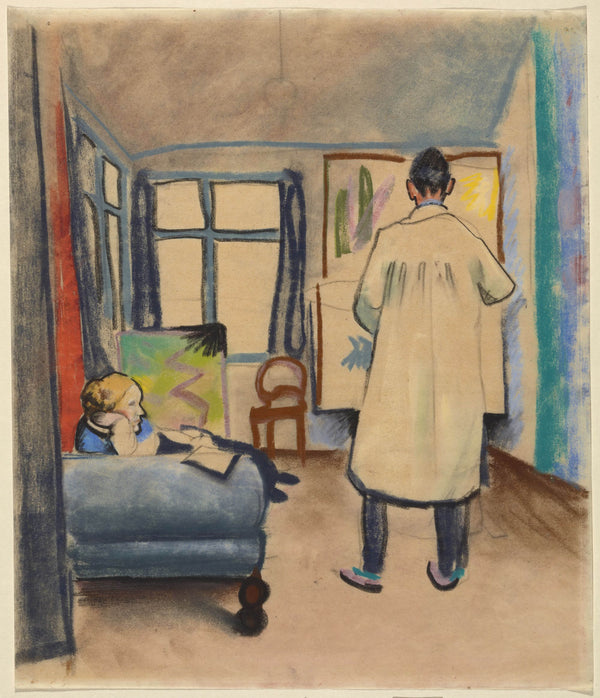
August Macke, 1907 - Study on a self-portrait - fine art print
À partir de 26,99 €

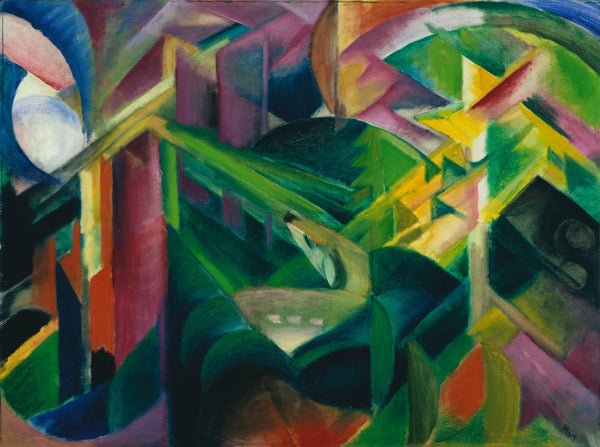
Franz Marc, 1912 - Deer in the monastery garden - fine art print
À partir de 19,99 €


Alexander Kanoldt, 1910 - What blumen - fine art print
À partir de 26,99 €


Ernst Ludwig Kirchner - Two Women - fine art print
À partir de 27,99 €

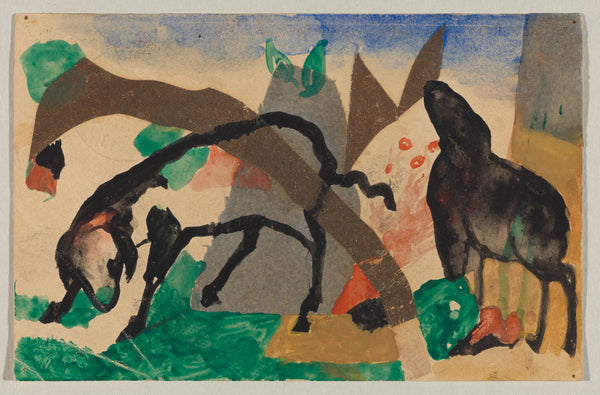

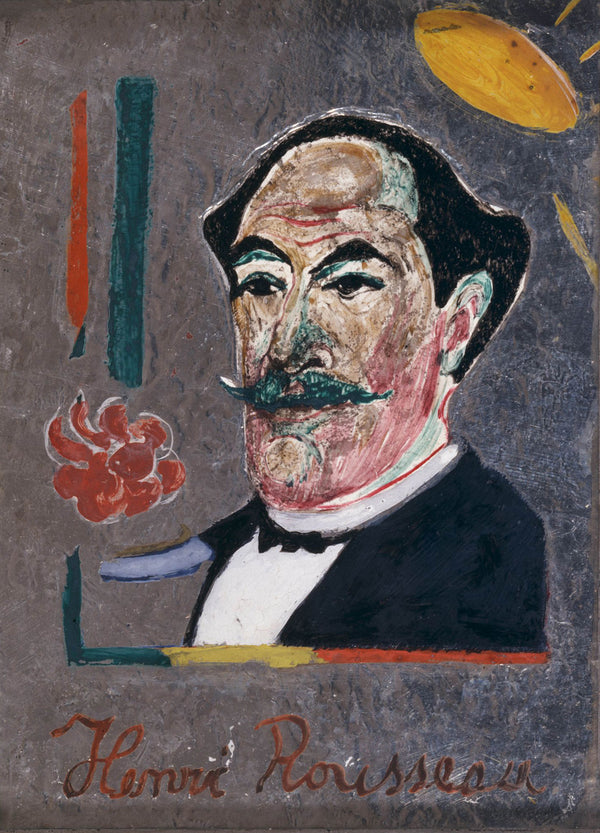
Franz Marc, 1911 - Portrait of henri rousseau - fine art print
À partir de 27,99 €


Ernst Ludwig Kirchner, 1911 - Portrait of a Woman - fine art print
À partir de 27,99 €



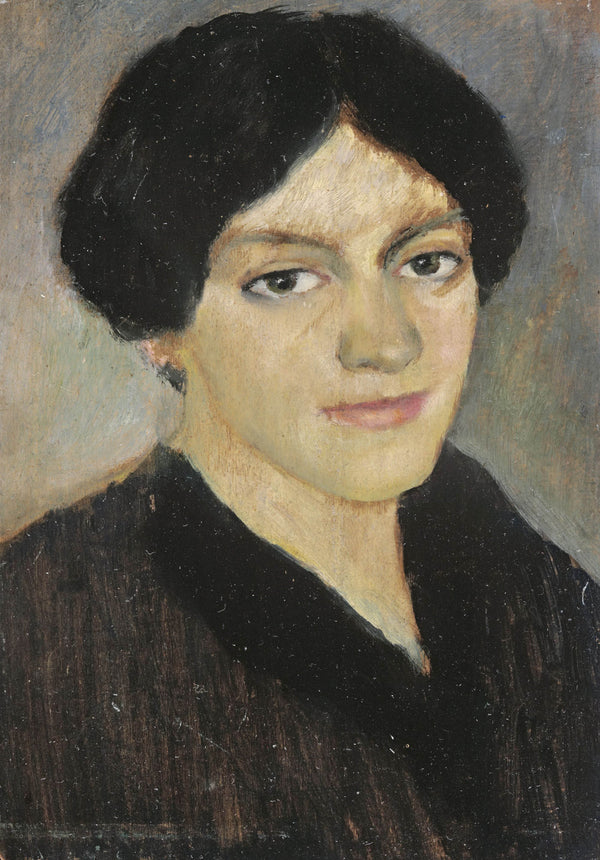
August Macke, 1910 - Portrait elisabeth macke - fine art print
À partir de 29,99 €


Georg Schrimpf, 1929 - Still life - fine art print
À partir de 19,99 €


Dora Bromberger, 1916 - Autumn Chilliness - fine art print
À partir de 18,99 €

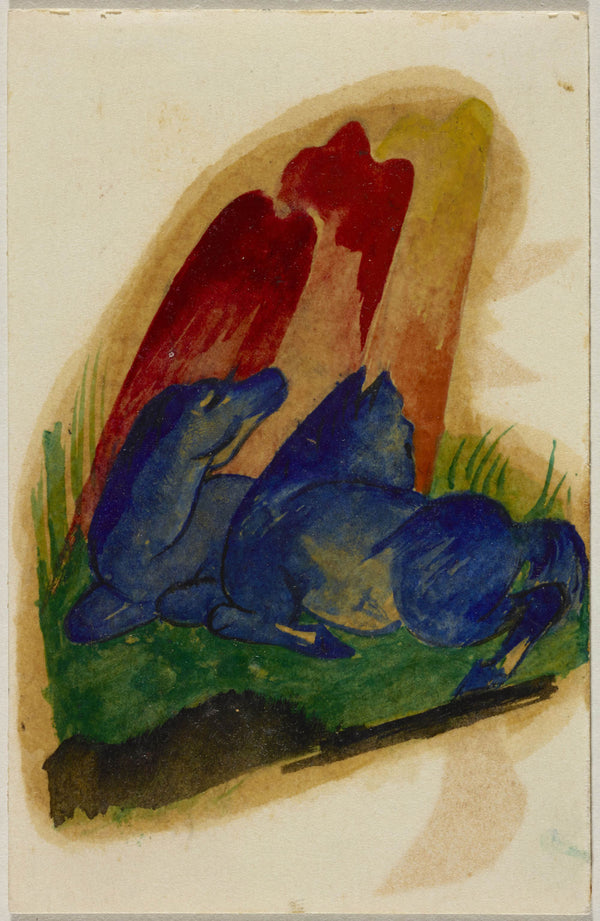

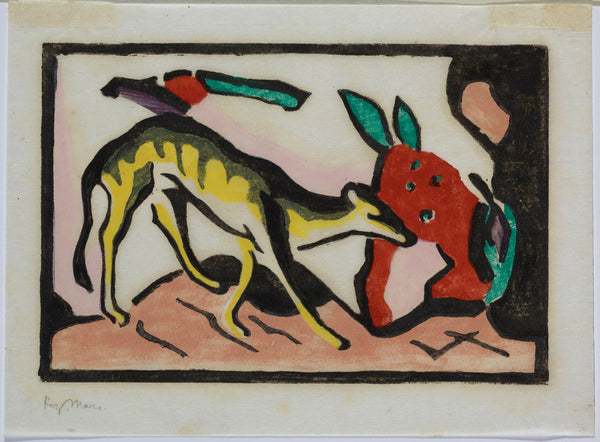
Franz Marc, 1912 - Fabel tier - fine art print
À partir de 19,99 €


Ernst Ludwig Kirchner, 1913 - Woman in a Green Jacket - fine art print
À partir de 27,99 €


Dora Bromberger, 1916 - Village Street (Sometimes) Winter - fine art print
À partir de 19,99 €

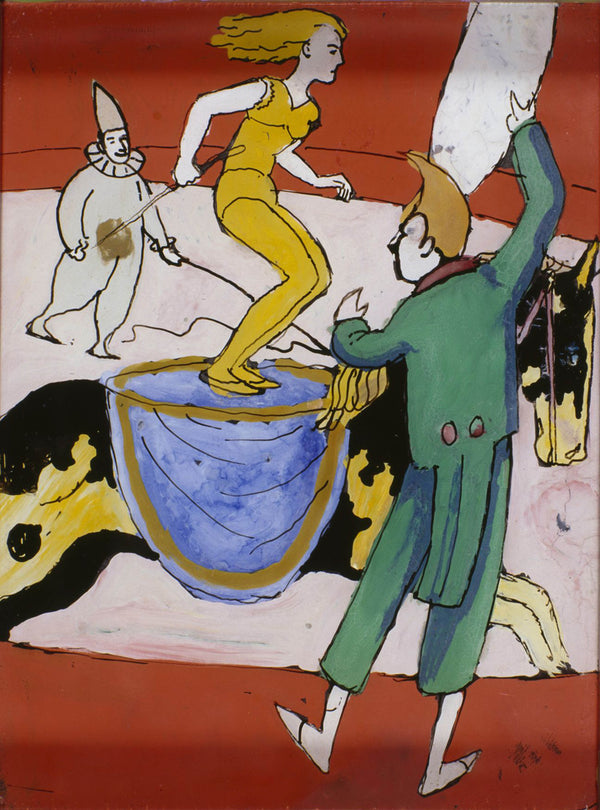
August Macke, 1911 - In the circus - fine art print
À partir de 27,99 €


Ernst Ludwig Kirchner, 1922 - Sunday in the Alps - fine art print
À partir de 27,99 €


Fritz Stuckenberg, 1920 - Landscape in the Park - fine art print
À partir de 29,99 €

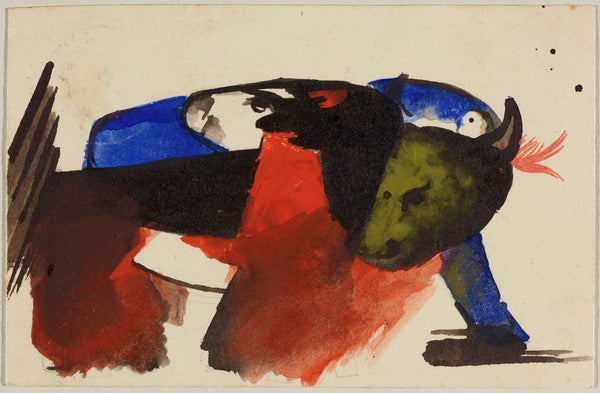


Ernst Ludwig Kirchner, 1914 - View from the Window - fine art print
À partir de 19,99 €


Alexander Kanoldt, 1911 - Iron bridge - fine art print
À partir de 26,99 €