
High Renaissance
The High Renaissance was probably the period in European history, which saw the most stunning advance and progress of Arts. The period was marked by rich patronage of the arts, revival humanism and spiritual values. The High Renaissance is considered to be the final phase of the Renaissance era that started in Italy during the 14th century. It was as a period of exceptional achievement and invention and saw vast improvement and development in classical studies. In addition to that, there was extensive patronage by wealthy aristocrats and a growing middle class who were capable enough to appreciate the artworks that this time brought about and whose enthusiasm for art made painters invent new and innovative painting techniques. Artworks of the High Renaissance period are characterized by impressive perspectives, complex compositions and more natural representations of figures. The High Renaissance period is considered as the culmination of a long process that involved a great deal of competition among artists and their willingness to experiment with new ideas. Painters were able to put human emotions on canvas using geometry, dramatic light, color and anatomy. In summary, it can be said that the artworks of the High Renaissance period are characterized by naturalism. The naturalistic style of painting created during the High Renaissance period is so vivid that it looks as if a scene depicted in a painting actually happened. It is also characterized by a dramatic use of light and shade, linear perspective, distortions in shapes and anatomy as well as refined portrayals of figures with human emotions. The art style High Renaissance was mainly inspired by Greek, Roman as well as the Platonic tradition, which emphasized rational thinking and mathematics that were visible in many artworks produced during this period. Therefore, it can be said that High Renaissance art style was mainly influenced by Humanism and beliefs that were prevalent during the time. The High Renaissance is one of the most influential art periods in Western Civilization; it saw rise to scientific discoveries, technological innovations, advancement in literature and theatre and a new understanding of human nature.

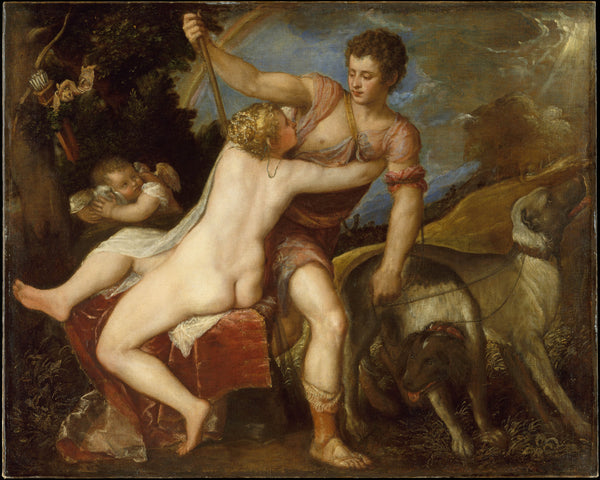
Titian, 1550 - Venus and Adonis - fine art print

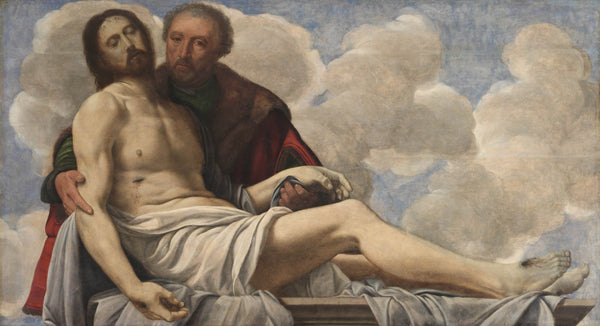

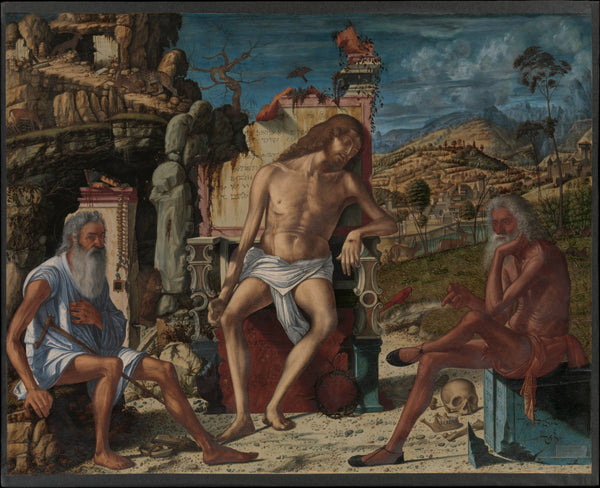
Vittore Carpaccio, 1490 - The Meditation on the Passion - fine art print

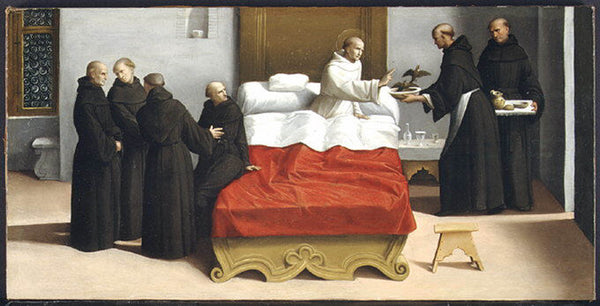
Garofalo, 1530 - Saint Nicholas of Tolentino Reviving the Birds - fine art print

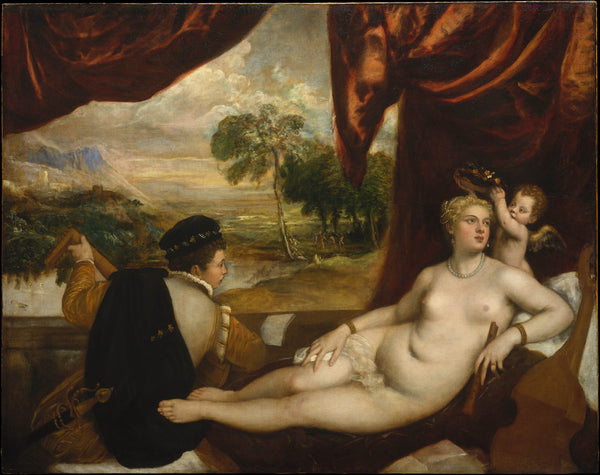
Titian, 1565 - Venus and the Lute Player - fine art print

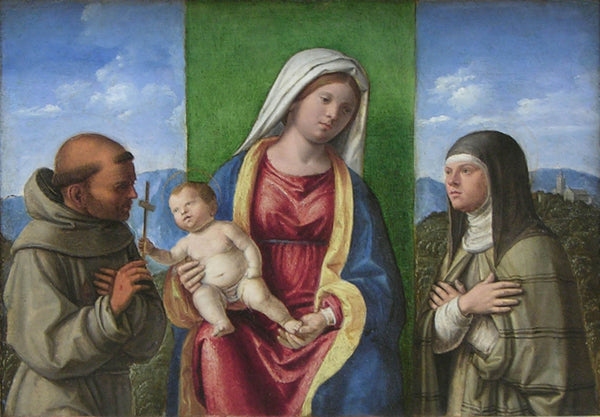

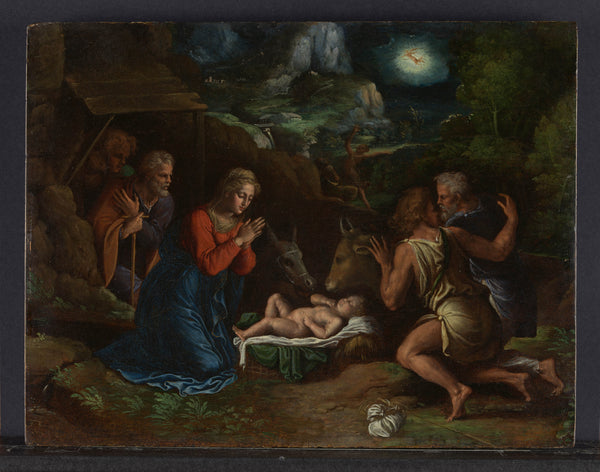
Girolamo da Carpi, 1535 - The Adoration of the Shepherds - fine art print

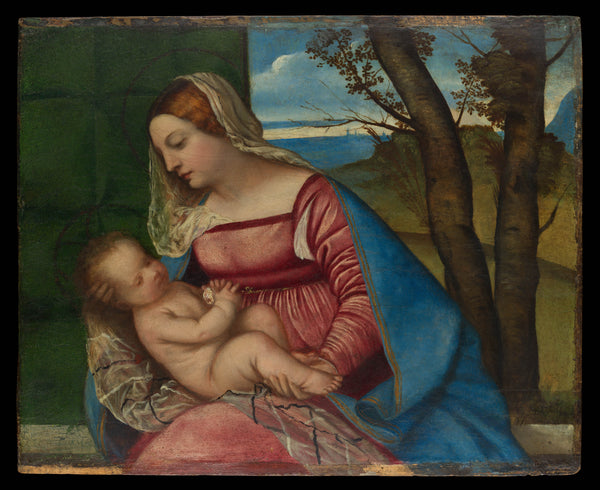
Titian, 1508 - Madonna and Child - fine art print

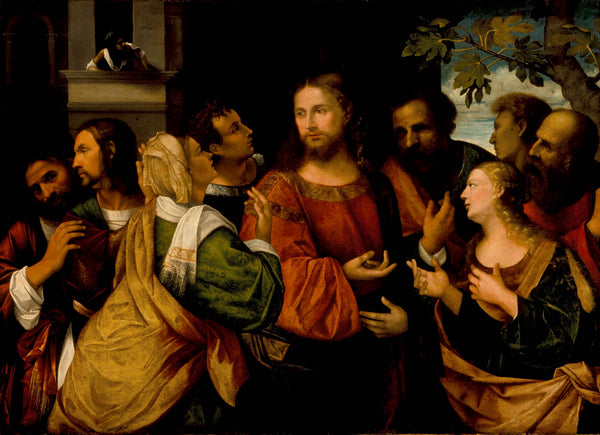
Rocco Marconi, 1520 - Christ and the Women of Canaan - fine art print

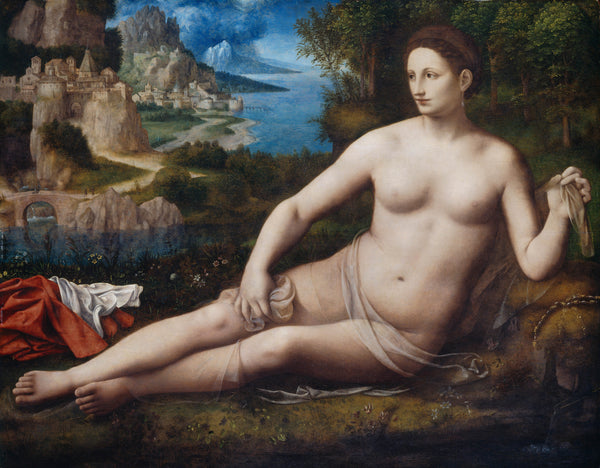
Bernardino Luini, 1530 - Venus - fine art print


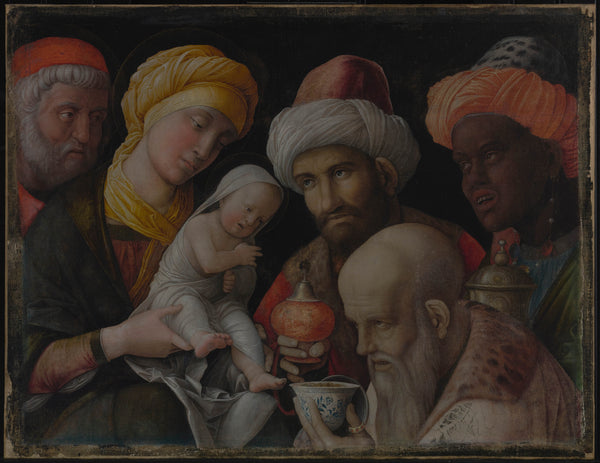
Andrea Mantegna, 1505 - Adoration of the Magi - fine art print

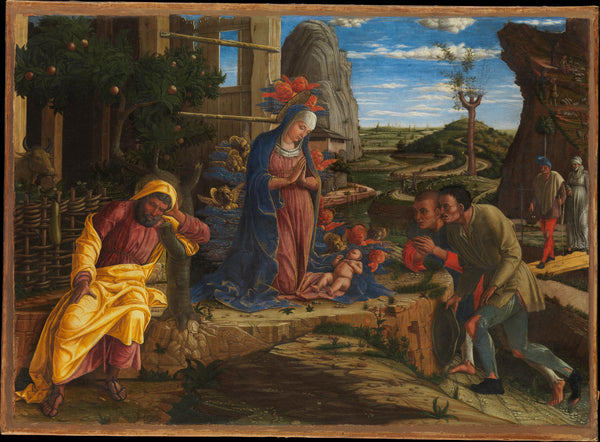
Andrea Mantegna, 1450 - The Adoration of the Shepherds - fine art print


Dosso Dossi - The Three Ages of Humans - fine art print


Polidoro da Caravaggio, 1520 - Frieze fragment - fine art print


Lorenzo Lotto, 1533 - Madonna and Child with Two Donors - fine art print


Lorenzo Lotto, 1520 - Venus and Cupid - fine art print


Titian, 1570 - Venus and Adonis - fine art print


Scarsellino, 1609 - The Virgin Adored by Saints - fine art print


Paris Bordone, 1540 - Madonna with Sleeping Child - fine art print


Garofalo, 1530 - Saint Nicholas of Tolentino Reviving a Child - fine art print


Polidoro da Caravaggio, 16th century - Military Procession - fine art print


Giovanni Girolamo Savoldo, 1535 - The Death of St. Peter Martyr - fine art print


Raphael, 1504 - The Agony in the Garden - fine art print


Ridolfo Ghirlandaio - The Nativity with Saints - fine art print


Scarsellino, 17th century - The Raising of Lazarus - fine art print


