Mannerism
Mannerism was a style of art which dominated European painting from about 1520 to 1600. It originated in the city of Florence as a reaction against Renaissance art. It became dominant all over Europe except England where it was never popular or widely practiced until after 1600 when it evolved into Baroque style. Mannerists tended to use complex compositions and distorted figures in order to express a feeling or mood. It developed as an attempt by artists to return art from the naturalistic depiction of Renaissance art, which had come before it, into an expressionist art form that was more emotional and nuanced. Mannerism began during a time when religion was taking a back seat to the humanist virtues of classical antiquity. People were beginning to think about art in a different way. It was not only mere decoration, but it represented ideas and emotions as well. Mannerism reflected this change in thinking by employing religious themes for inspiration but not always depicting them realistically. Mannerist paintings generally used complex compositions and distorted figures. Some pieces depict an entire scene using only one point of view instead of the normal Renaissance perspective. These compositions often included elongated limbs and exaggerated facial expressions. Mannerist painters employed these techniques to express ideas related to human emotion such as anxiety, depression, or loneliness. Mannerism was an exceptionally individualistic style of art that did not always conform to the canons established by the Church of Rome. In fact, many artists who produced Mannerist works were called before the church to explain their actions. Artists got around this by admitting that they had included some religious content in their work, even though it was not always depicted realistically. Mannerism was also an anti-establishment style of art because it did not follow the Renaissance ideals. It purposely set out to disturb those ideals, with the intention of replacing them with a new and different way of looking at religious themes through paintings. Mannerism was started by artists such as Michelangelo and Raphael, but they eventually abandoned it in favor of the more naturalistic style of art produced by their student, Caravaggio.


Andrea Andreani, 1585 - Virtue violate Ignorance, and the Error - fine art print


Hendrick Goltzius, 1613 - Vertumnus and Pomona - fine art print


Tintoretto, 1545 - The Conversion of Saint Paul - fine art print

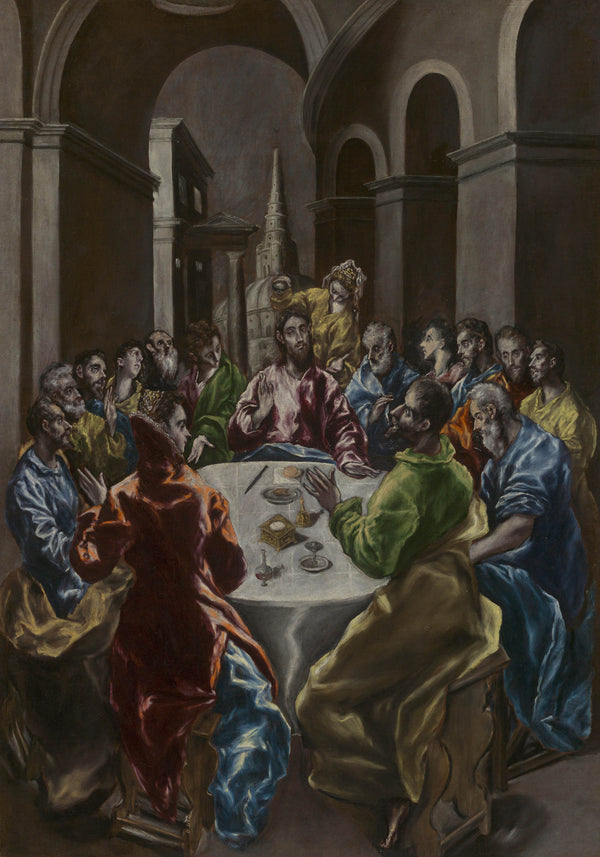
El Greco, 1614 - The Feast in the House of Simon - fine art print

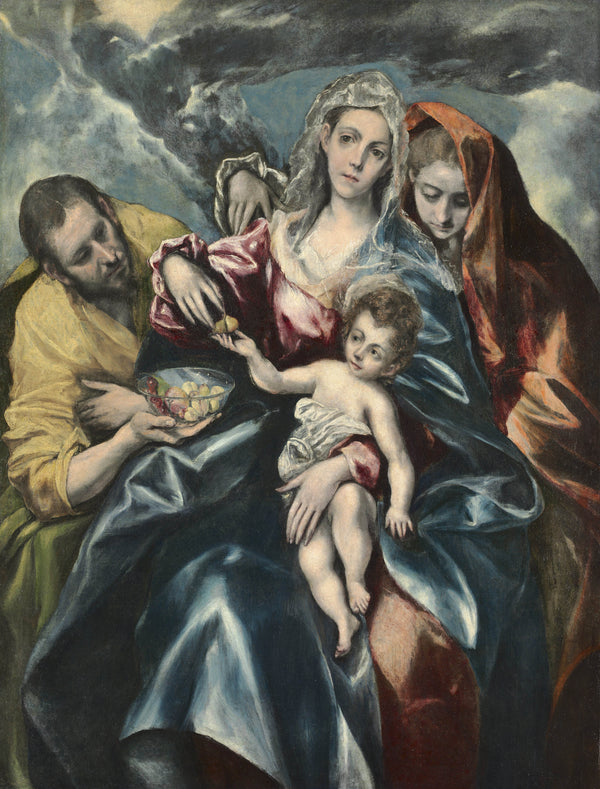
El Greco, 1595 - The Holy Family with Mary Magdalen - fine art print


Luca Cambiaso, 1575 - Venus and Cupid - fine art print

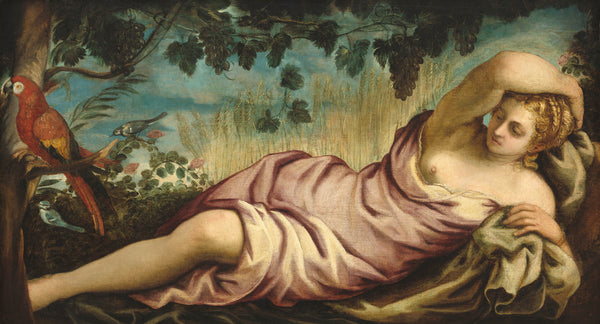
Tintoretto, 1555 - Summer - fine art print


Agnolo Bronzino - Isabella Medici (1542-1576) - fine art print


Moretto da Brescia, 1550 - Mary Magdalene - fine art print


Cornelis Ketel, 1590 - Portrait of the Painter Dirck Barendsz. - fine art print


Paolo Veronese, 1588 - The Baptism of Christ - fine art print


Moretto da Brescia, 1520 - Portrait of a Man - fine art print


Agnolo Bronzino, 1560 - Eleonora of Toledo - fine art print

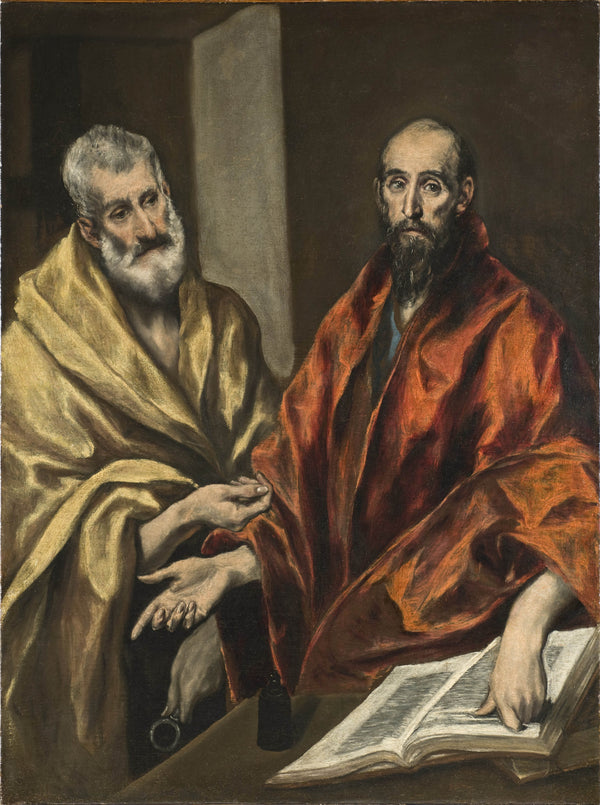
El Greco - St Peter and St Paul - fine art print


Girolamo Mazzola Bedoli, 1540 - Portrait of a Musician - fine art print


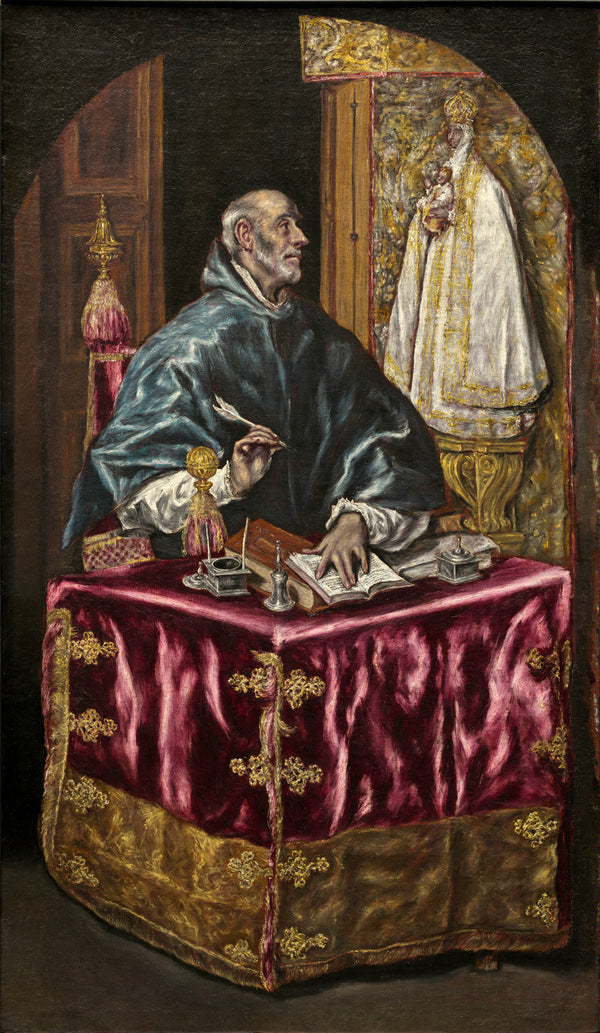
El Greco, 1614 - Saint Ildefonso - fine art print

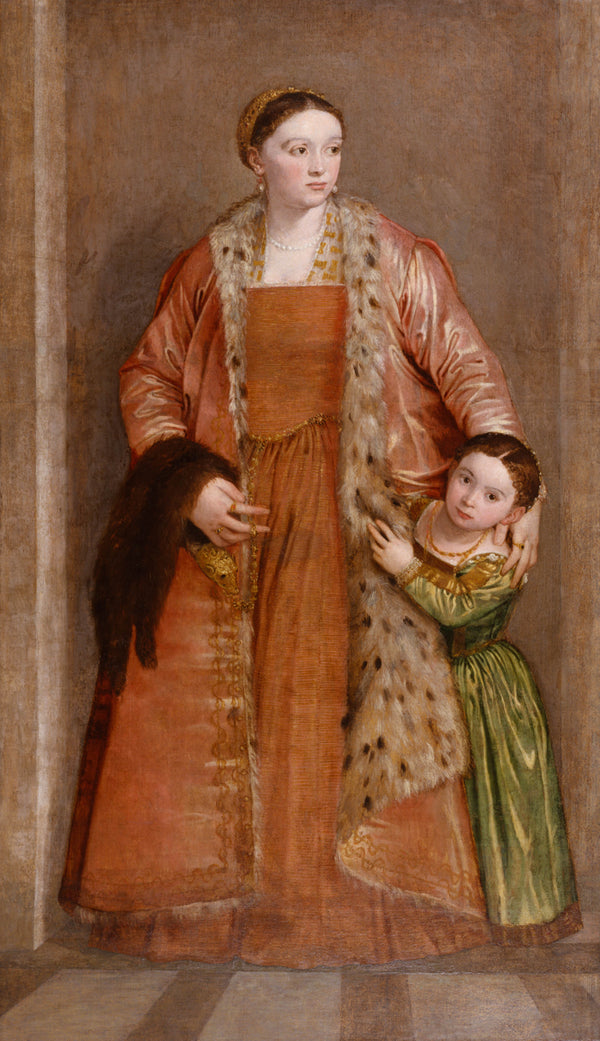


Orazio Gentileschi, 1623 - Danaë - fine art print


Pieter Pourbus, 1535 - Portrait of a Young Minister - fine art print


Parmigianino - The Circumcision - fine art print

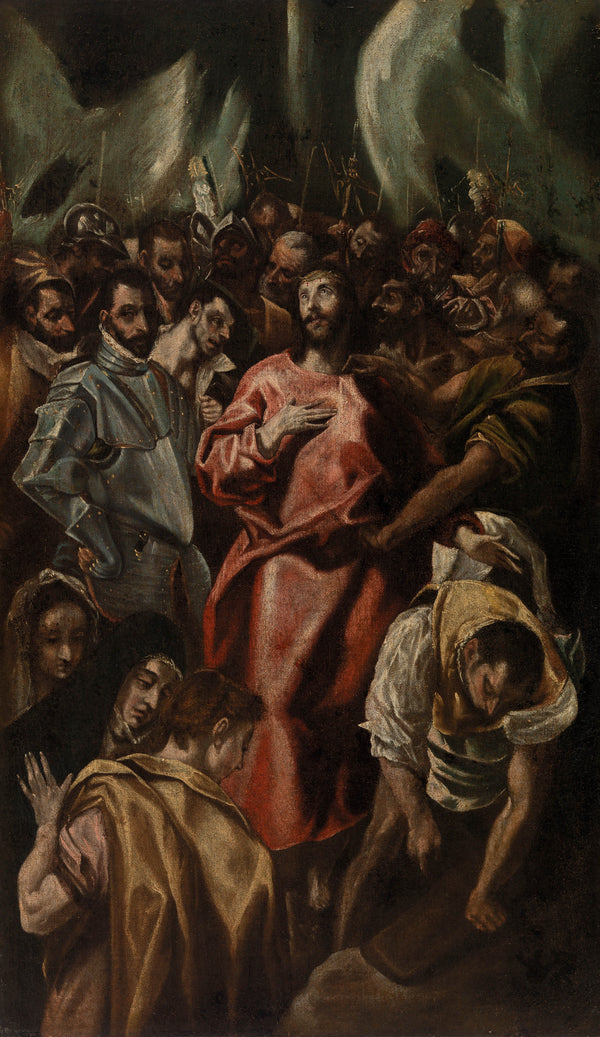
El Greco - Disrobing of Christ (Espolio) - fine art print


Hendrick Goltzius, 1613 - Hercules and Cacus - fine art print


Master of Flora - The Birth of Cupid - fine art print


Jacopo Bassano, 1590 - Diana and Actaeon - fine art print


Lavinia Fontana, 1580 - Portrait of a Prelate - fine art print


François Clouet, 1560 - Portrait of a Woman - fine art print


Moretto da Brescia, 1554 - The Entombment - fine art print


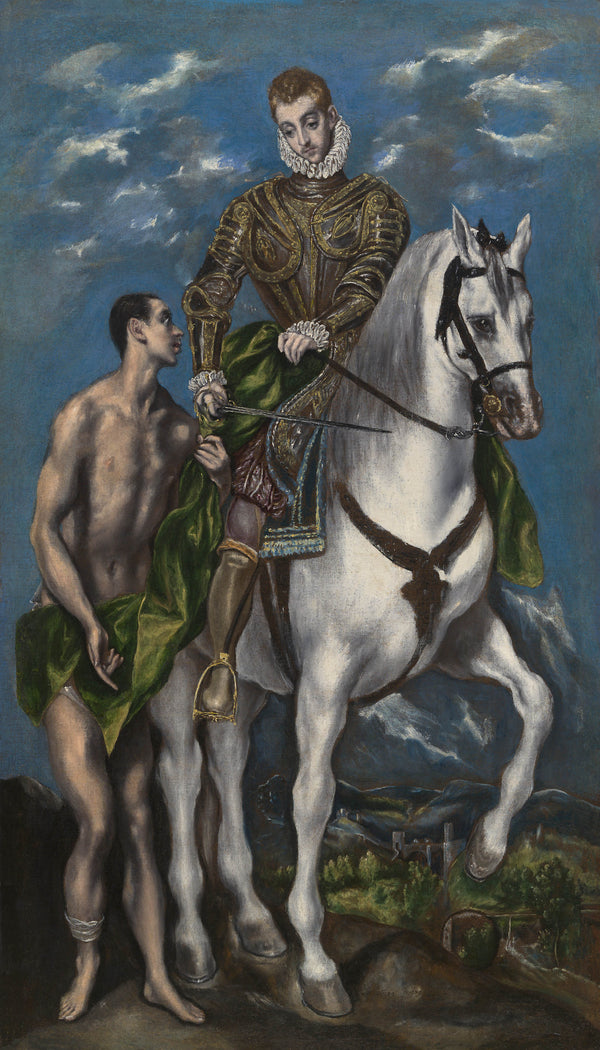
El Greco, 1600 - Saint Martin and the Beggar - fine art print


Agnolo Bronzino, 1528 - The Holy Family - fine art print


Jacopo Bassano, 1560 - The Annunciation to the Shepherds - fine art print

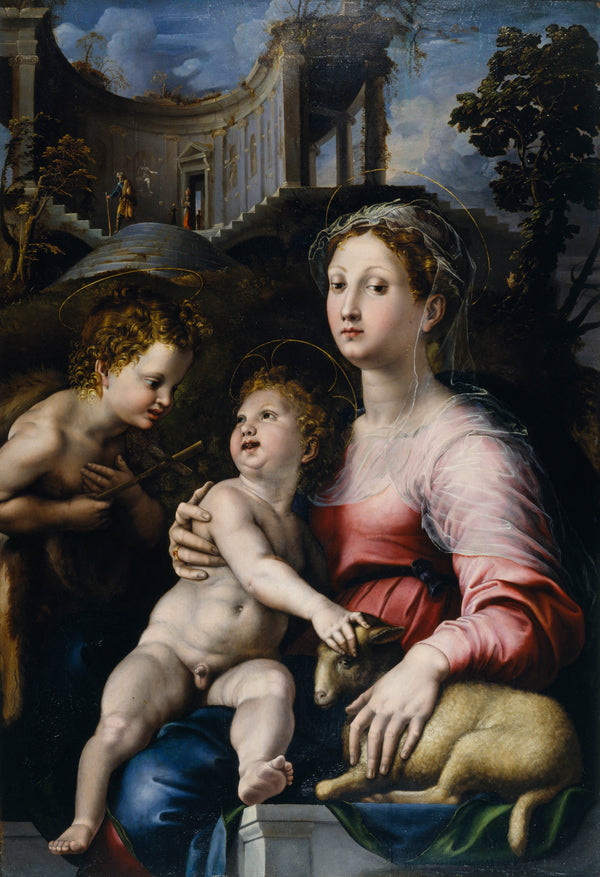


Parrasio Micheli - Portrait of a Lady - fine art print


Jacopo Bassano, 1550 - Lazarus and the Rich Man - fine art print


Otto van Veen, 1600 - Valentinus Taken Prisoner - fine art print


Cornelis van Haarlem, 1590 - Venus and Vulcan - fine art print


Cornelis van Haarlem, 1603 - Venus and Adonis - fine art print