
Rembrandt van Rijn
Rembrandt van Rijn was a Dutch painter and etcher who is widely considered one of the greatest painters and printmakers in European art history. He was born on July 15, 1606, in Leiden, Netherlands, to Harmen Gerritszoon van Rijn and Neeltgen Willemsdochter van Zuytbrouck. Rembrandt's parents were both from prominent families in Leiden, and his father was a miller.
As a child, Rembrandt showed an early interest in art and attended Latin school in Leiden. He then went on to study at the University of Leiden for a brief period but left without obtaining a degree to pursue a career in art. He began his artistic training under a local master, Jacob van Swanenburgh, and later studied with Pieter Lastman in Amsterdam.
In 1634, Rembrandt married Saskia van Uylenburgh, the cousin of a prominent art dealer in Amsterdam. The couple had four children, but only one, Titus, survived into adulthood. Saskia died in 1642, and Rembrandt later remarried to Hendrickje Stoffels, who was his common-law wife until her death in 1663.
Throughout his career, Rembrandt worked in a number of different locations, including Leiden, Amsterdam, and The Hague. He was greatly influenced by the work of Caravaggio and the Utrecht Caravaggists, as well as the Northern Renaissance painters, such as Albrecht Dürer and Lucas van Leyden.
Rembrandt's technique was characterized by his use of light and shadow to create dramatic effects and his ability to capture emotion and expression in his subjects. He was also known for his masterful use of etching and was a prolific printmaker throughout his career.
Rembrandt's footprint on the art world can be seen in his influence on later artists, particularly the Dutch Masters of the Golden Age. His work has also had a lasting impact on the development of portrait painting and the use of light and shadow in art.
Here are five of Rembrandt's most important paintings:
-
The Night Watch (1642): This monumental painting is one of Rembrandt's most famous works and is considered a masterpiece of the Dutch Golden Age. The painting depicts a group of militia members in Amsterdam and is notable for its use of light and shadow to create a sense of movement and drama.
-
The Anatomy Lesson of Dr. Nicolaes Tulp (1632): This painting depicts a public dissection of a criminal and is notable for its realism and attention to detail. The painting was commissioned by the Amsterdam Guild of Surgeons and is considered a groundbreaking work in the history of medical art.
-
Self-Portrait with Two Circles (1661): This painting is one of Rembrandt's most famous self-portraits and is notable for its raw emotion and introspection. The painting shows Rembrandt at the height of his career and is considered a masterful example of his use of light and shadow.
-
The Jewish Bride (c. 1665): This painting is considered one of Rembrandt's most beautiful and enigmatic works. The painting depicts an intimate moment between a man and a woman and is notable for its tender emotion and rich color.
-
The Syndics of the Drapers' Guild (1662): This painting depicts a group of textile merchants in Amsterdam and is notable for its attention to detail and realistic portrayal of the figures. The painting is also notable for its use of light and shadow to create a sense of depth and realism.


Rembrandt van Rijn, 1629 - A Head - fine art print


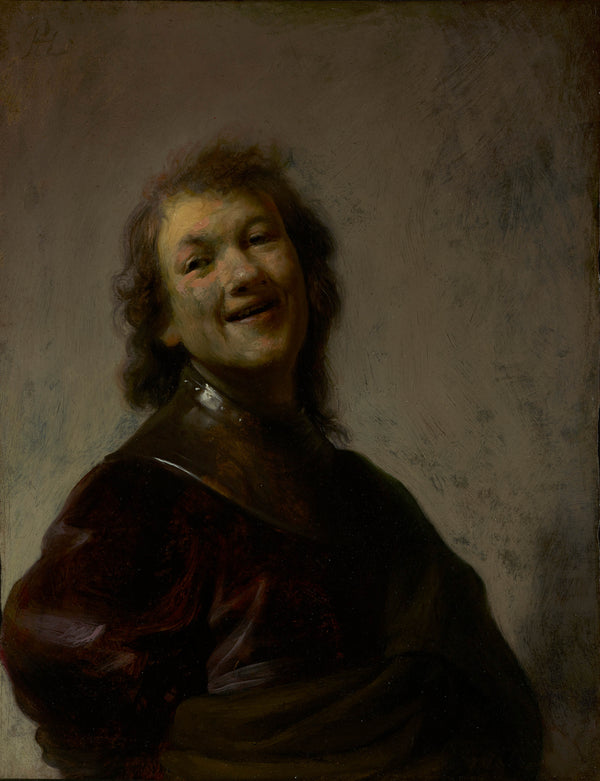
Rembrandt van Rijn, 1628 - Rembrandt Laughing - fine art print


Rembrandt van Rijn, 1632 - Portrait of a Man - fine art print


Rembrandt van Rijn, 1629 - Standing man with stick, right - fine art print


Rembrandt van Rijn, 1650 - Study of an Old Man - fine art print


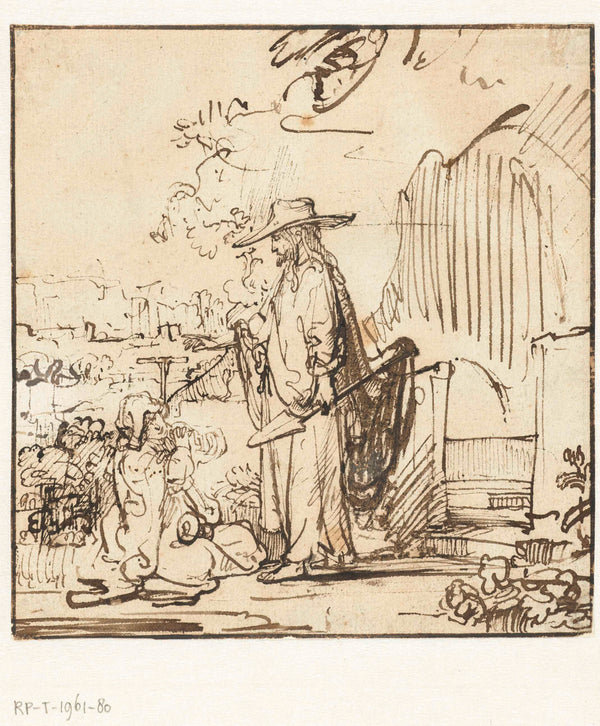


Rembrandt van Rijn, 1629 - Standing man with bag - fine art print


Rembrandt van Rijn, 1651 - The Kitchen Maid - fine art print


Rembrandt van Rijn, 1660 - The Denial of St Peter - fine art print

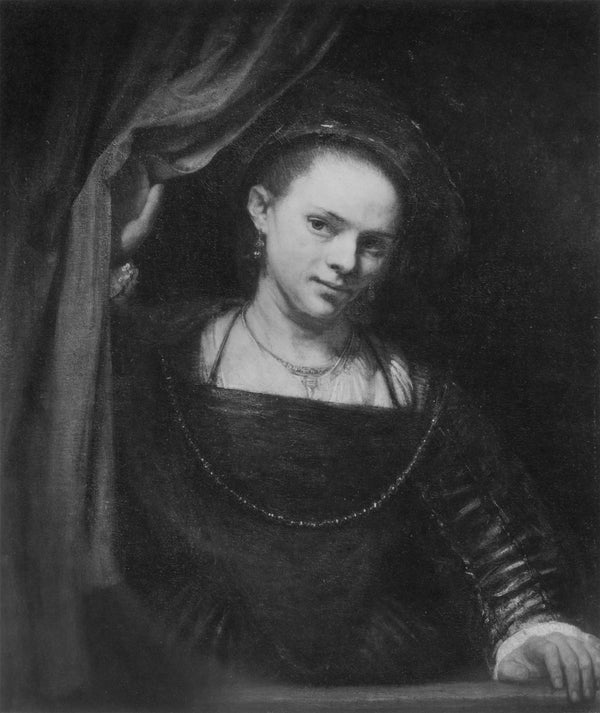
Rembrandt van Rijn, 1700 - Girl at a Window holding a Curtain - fine art print


Rembrandt van Rijn, 1632 - The Raising of Lazarus - fine art print


Rembrandt van Rijn, 1633 - Portrait of John Wtenbogaert - fine art print


Rembrandt van Rijn, 1638 - A cow in the stall - fine art print


Rembrandt van Rijn - Rembrandt's Son Titus (1641–1668) - fine art print


Rembrandt van Rijn, 1633 - Portrait of a Woman - fine art print


Rembrandt van Rijn, 1648 - Abraham sends Hagar and away Ismael - fine art print

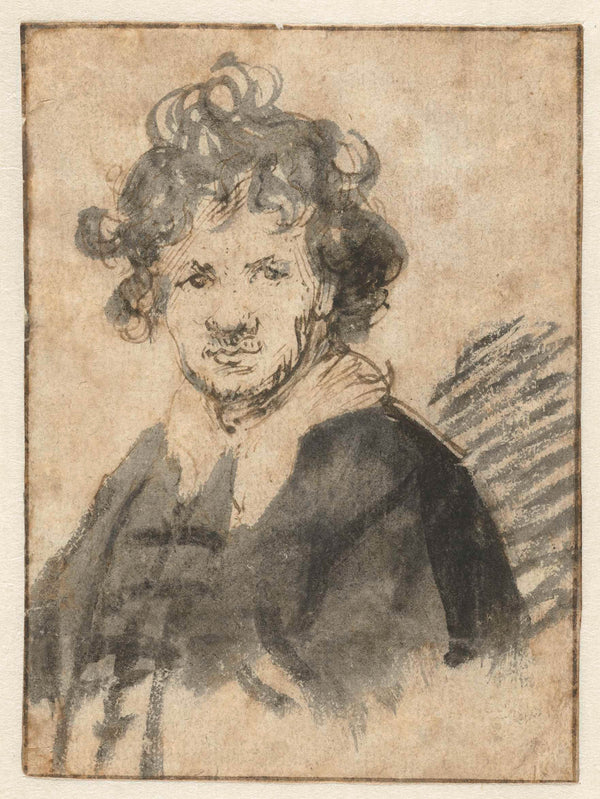
Rembrandt van Rijn, 1628 - Self-portrait of Rembrandt van Rijn - fine art print

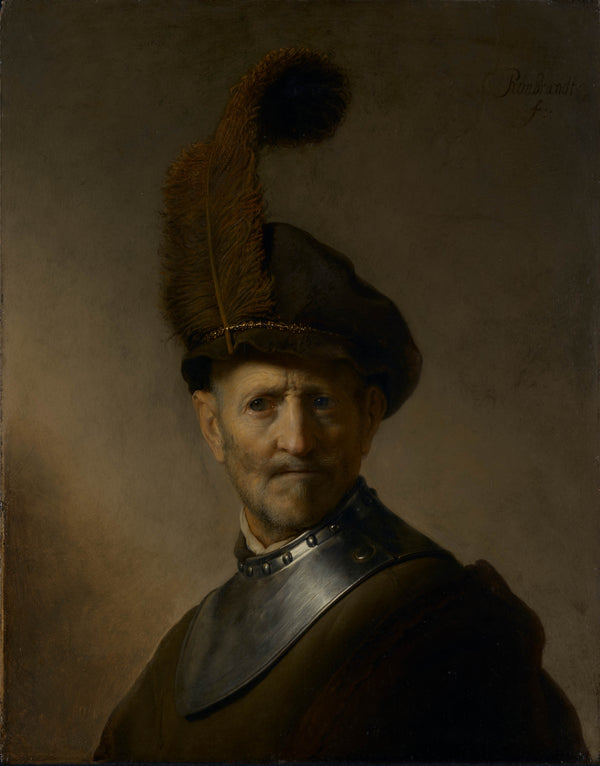
Rembrandt van Rijn, 1631 - An Old Man in Military Costume - fine art print


Rembrandt van Rijn, 1626 - Tobit and Anna with the Kid - fine art print


Rembrandt van Rijn, 1628 - A woman's legs - fine art print


Rembrandt van Rijn, 1631 - Tronieof an Old Man - fine art print


Rembrandt van Rijn, 1650 - Farmhouse with haystack in a polder - fine art print


Rembrandt van Rijn, 1629 - Study on the back of a man seen - fine art print


Rembrandt van Rijn, 1630 - Andromeda - fine art print


Rembrandt van Rijn, 1663 - Homer - fine art print


Rembrandt van Rijn, 1633 - Portrait of a Young Woman with a Fan - fine art print


Rembrandt van Rijn, 1658 - Saul and David - fine art print


Rembrandt van Rijn, 1657 - Woman peeing child and a horse head - fine art print


Rembrandt van Rijn, 1635 - Man in Oriental Costume - fine art print


Rembrandt van Rijn, 1633 - Young Woman in Fantasy Costume - fine art print


Rembrandt van Rijn, 1660 - Jacob's Farewell to Benjamin - fine art print


Rembrandt van Rijn, 1639 - Still Life with Peacocks - fine art print


Rembrandt van Rijn, 1643 - Boaz and Ruth - fine art print


Rembrandt van Rijn, 1651 - The Gust of Wind - fine art print


Rembrandt van Rijn, 1630 - The Laughing Man - fine art print


Rembrandt van Rijn, 1650 - Inn in the bend of a river - fine art print


Rembrandt van Rijn, 1640 - The Washing of the Feet - fine art print


Rembrandt van Rijn - Study Head of an Old Man - fine art print


Rembrandt van Rijn, 1655 - Portrait of a Man - fine art print


Rembrandt van Rijn, 1655 - Portrait of an Old Man - fine art print


