
Wassily Kandinsky
Wassily Kandinsky was a Russian-born artist who is considered to be one of the pioneers of abstract art. He was born on December 4, 1866, in Moscow, Russia, to a wealthy family. His parents were Lidia Ticheeva and Vasily Silvestrovich Kandinsky, a successful businessman and tea merchant. Kandinsky had a comfortable childhood and was exposed to the arts from a young age.
Kandinsky attended a private school in Moscow and went on to study law and economics at the University of Moscow. However, his interest in art led him to take painting classes at the age of 30, and he eventually decided to pursue a career as an artist. He moved to Munich, Germany, in 1896 to attend art school and remained there for much of his life.
In 1892, Kandinsky married his first wife, Anna Chemyakina. They had no children and divorced in 1911. In 1917, he married his second wife, Nina Andreevskaya, who was also an artist. They had one son together, named Vsevolod.
Kandinsky's artistic style was heavily influenced by the works of the Impressionists, Post-Impressionists, and Fauvists. He was also influenced by the spiritual and mystical teachings of Theosophy and Anthroposophy, which he incorporated into his artwork.
Kandinsky worked in a variety of workplaces throughout his life, including teaching at the Bauhaus school in Germany and working as an art critic for various publications. He was also a founding member of the Blue Rider movement, a group of artists who aimed to break away from traditional forms of art and explore more abstract and experimental styles.
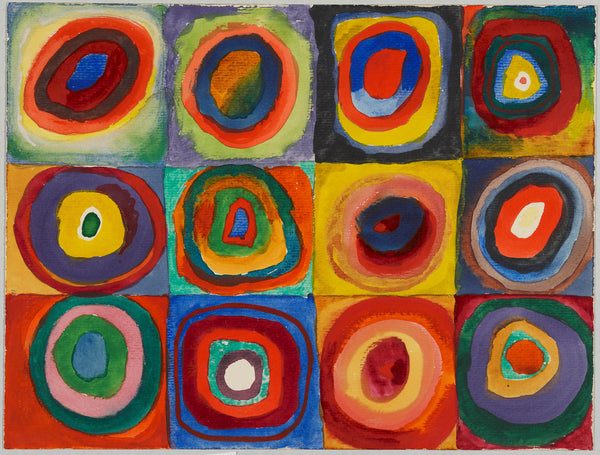
Kandinsky's technique involved the use of bold colors and geometric shapes to create abstract compositions. He believed that art should not simply imitate reality, but should express the artist's inner emotions and spirituality. His artwork was revolutionary for its time and had a significant impact on the development of abstract art.
Kandinsky's most important paintings include:
-
"Composition VII" (1913) - This large-scale abstract painting is considered one of Kandinsky's masterpieces. It features a complex composition of colors and shapes that convey a sense of movement and energy.
-
"Yellow-Red-Blue" (1925) - This painting is a prime example of Kandinsky's use of geometric shapes and bold colors to create abstract compositions.
-
"Improvisation 28 (second version)" (1912) - This painting is one of Kandinsky's most famous works and features a swirling composition of colors and shapes that convey a sense of chaos and energy.
-
"Composition VIII" (1923) - This painting features a complex composition of overlapping shapes and colors that create a sense of movement and depth.
-
"Black and Violet" (1923) - This painting is a prime example of Kandinsky's use of contrasting colors and bold shapes to create a dynamic composition.
Kandinsky's impact on the art world was significant, and his contributions to abstract art are still recognized and celebrated today. He passed away on December 13, 1944, in Neuilly-sur-Seine, France.


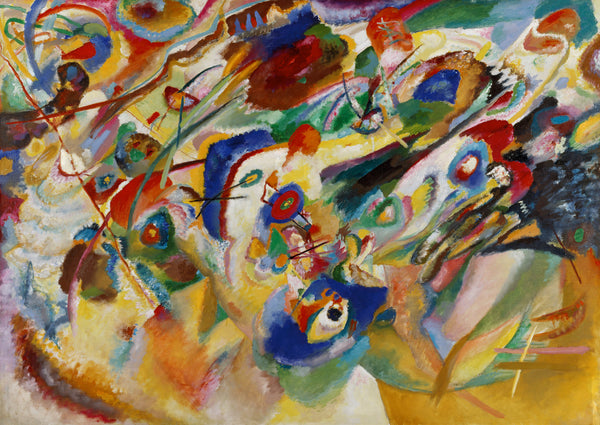
Wassily Kandinsky, 1913 - Study on composition vii (draft 2) - fine art print

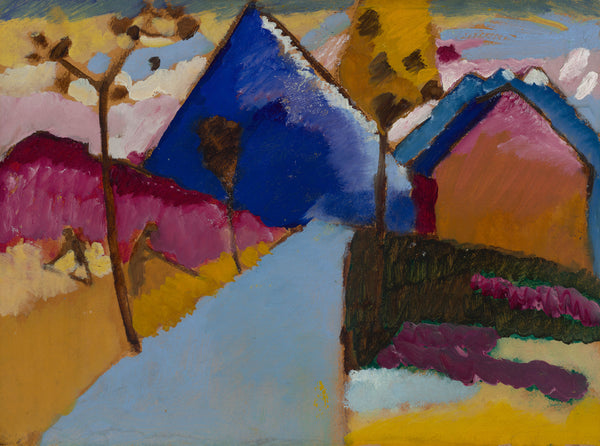
Wassily Kandinsky, 1909 - Kochel - straight road - fine art print

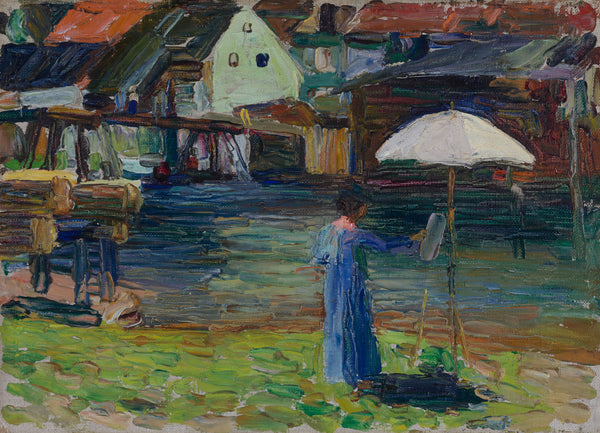
Wassily Kandinsky - Kallmünz - gabriele münter while painting i - fine art print

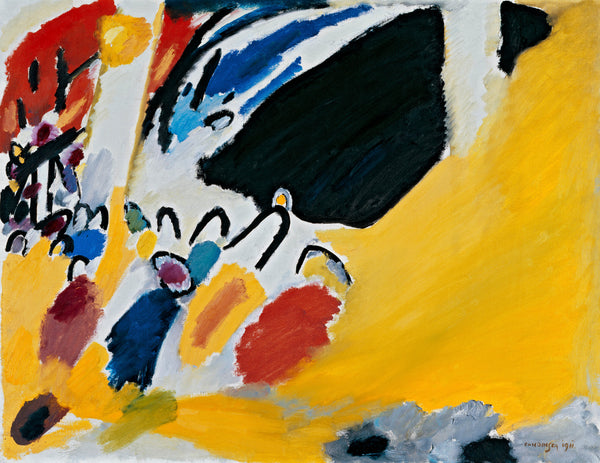
Wassily Kandinsky, 1911 - Impression iii (concert) - fine art print

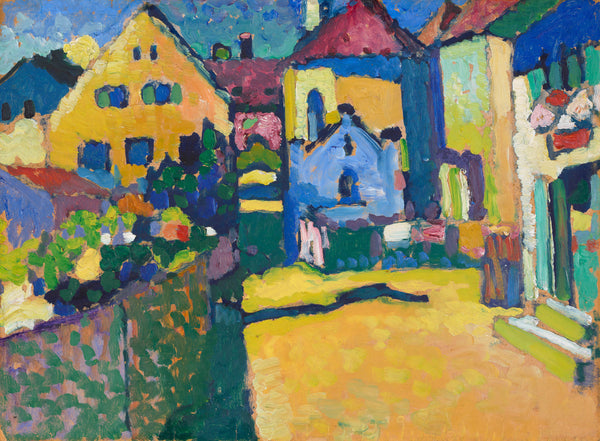
Wassily Kandinsky, 1909 - Green alley in murnau - fine art print

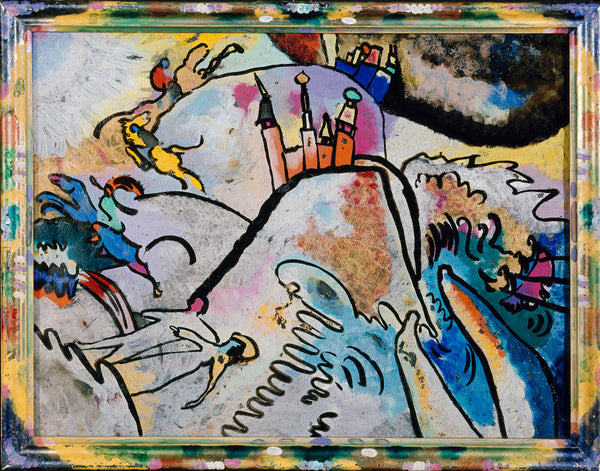
Wassily Kandinsky, 1911 - With sun - fine art print

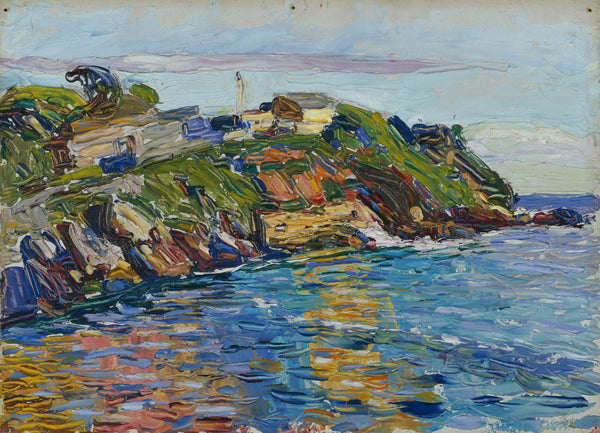
Wassily Kandinsky - Rapallo - bay - fine art print

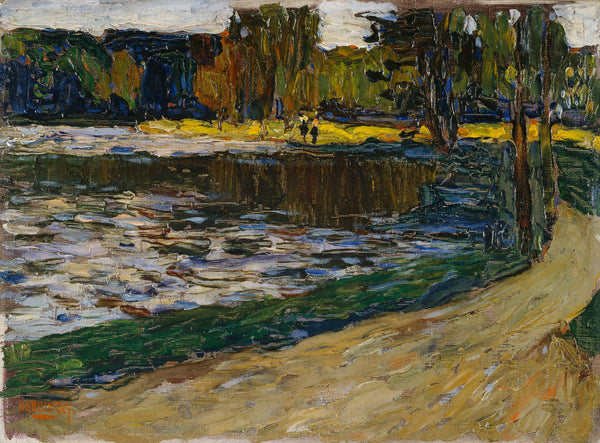
Wassily Kandinsky - Munich - english garden - fine art print

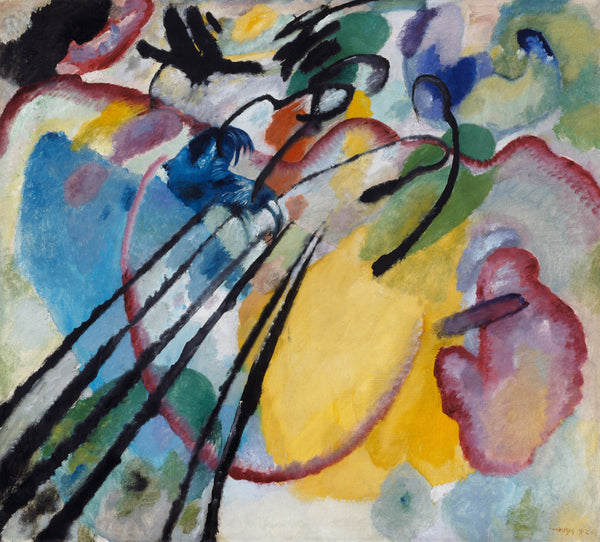
Wassily Kandinsky, 1912 - Improvisation 26 (rowing) - fine art print

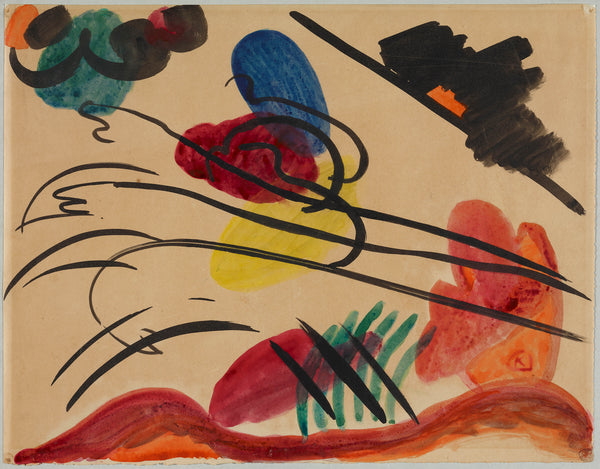
Wassily Kandinsky - With three riders - fine art print

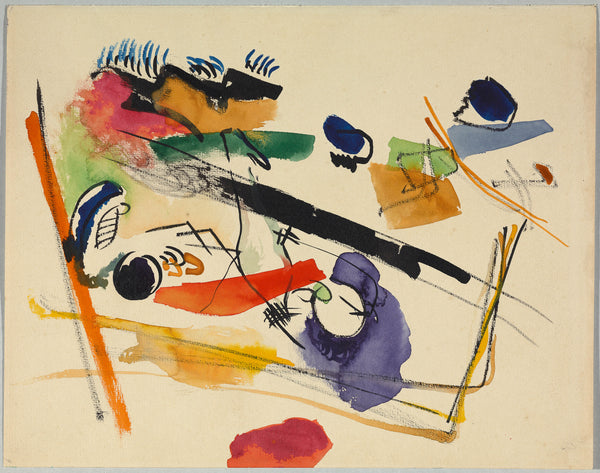
Wassily Kandinsky, 1913 - Untitled - fine art print

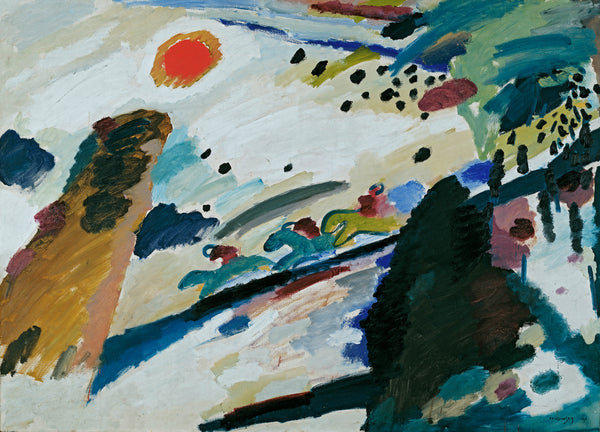
Wassily Kandinsky, 1911 - Romantic landscape - fine art print

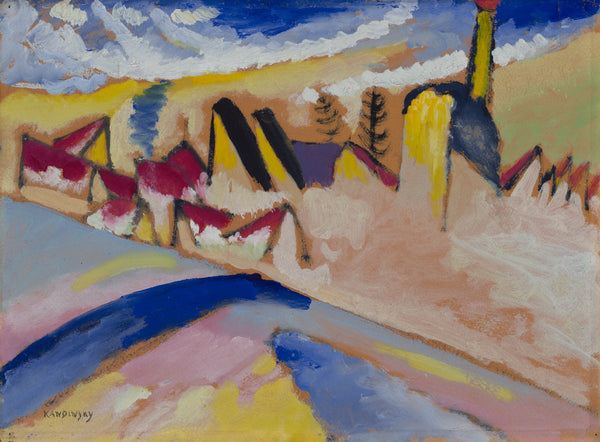
Wassily Kandinsky - Study onwinter no. ii - fine art print

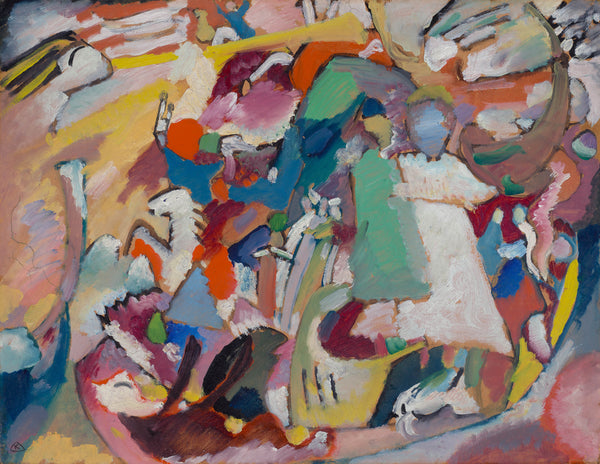
Wassily Kandinsky, 1913 - All saintsday i - fine art print

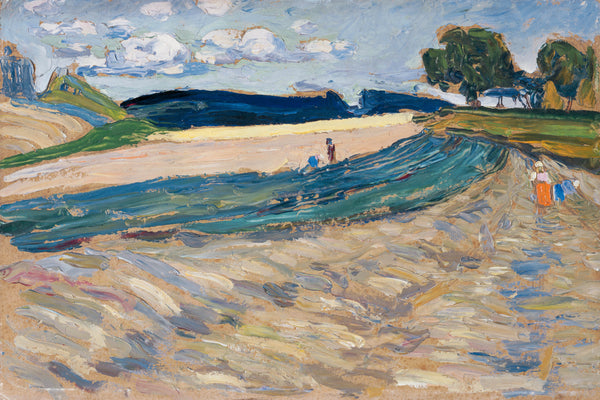
Wassily Kandinsky, 1905 - Landscape with yellow field - fine art print

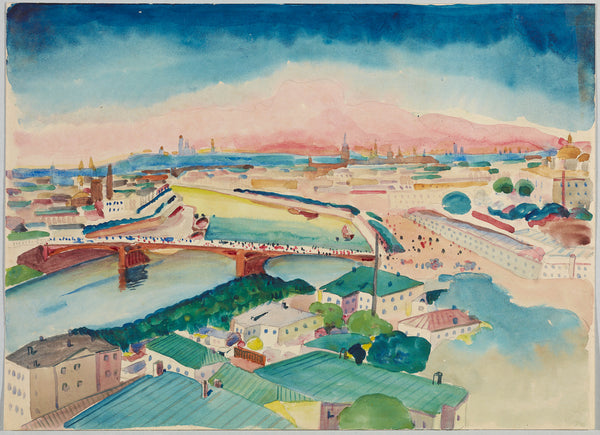
Wassily Kandinsky - Views of moscow - fine art print

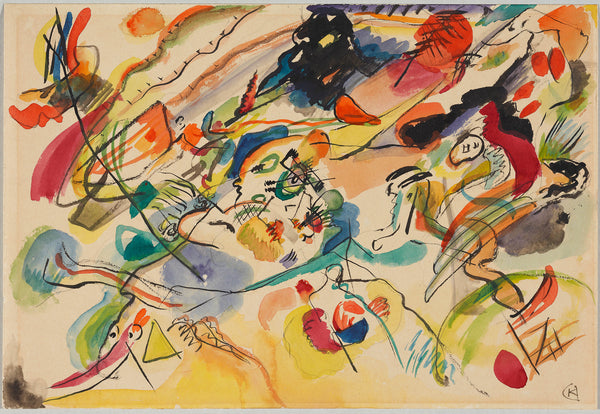
Wassily Kandinsky, 1913 - Draftcomposition vii - fine art print


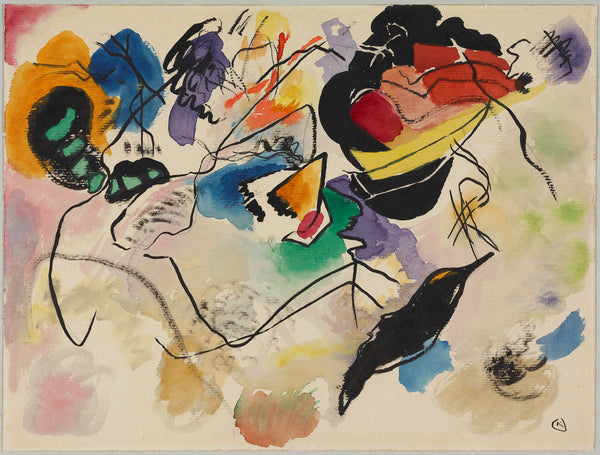
Wassily Kandinsky, 1913 - Draftcomposition vii - fine art print

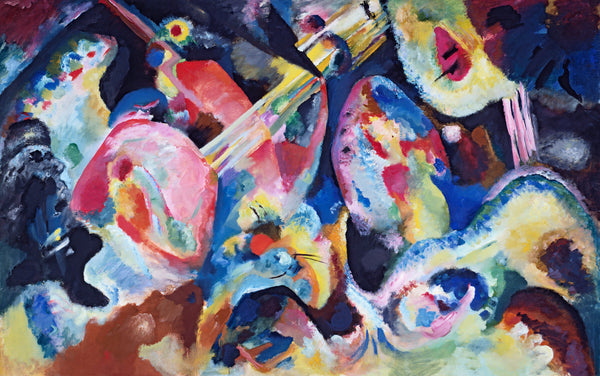
Wassily Kandinsky, 1913 - Improvisation flood - fine art print

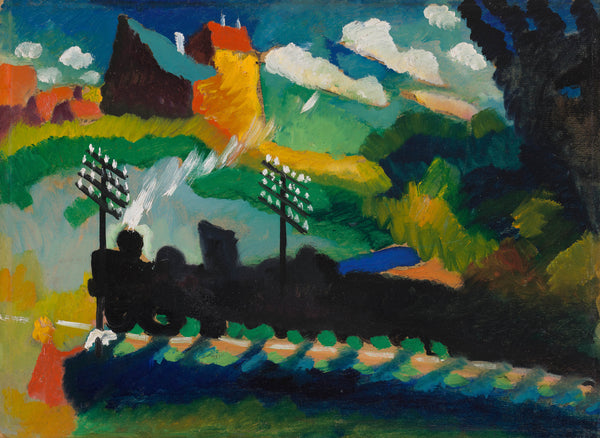
Wassily Kandinsky, 1909 - Railway in murnau - fine art print

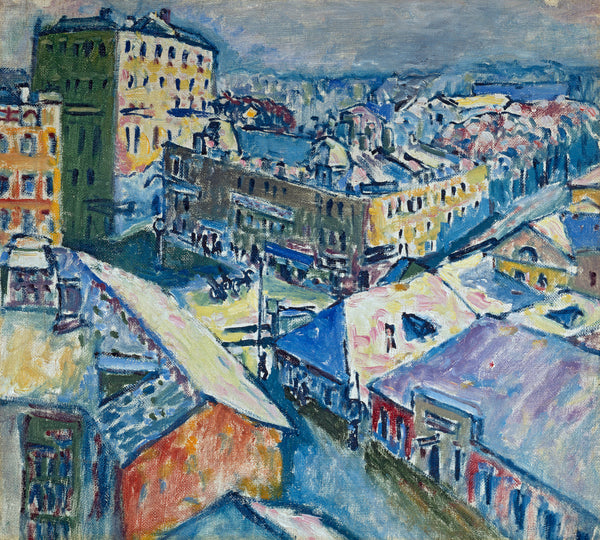
Wassily Kandinsky, 1916 - Zubovsky square - fine art print

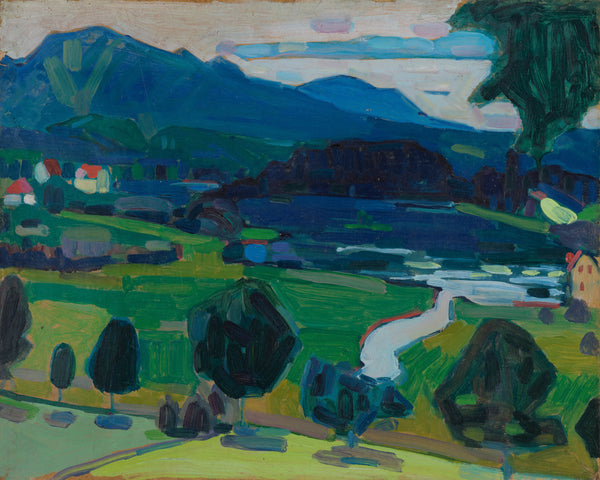
Wassily Kandinsky - Murnau - view over the staffelsee - fine art print

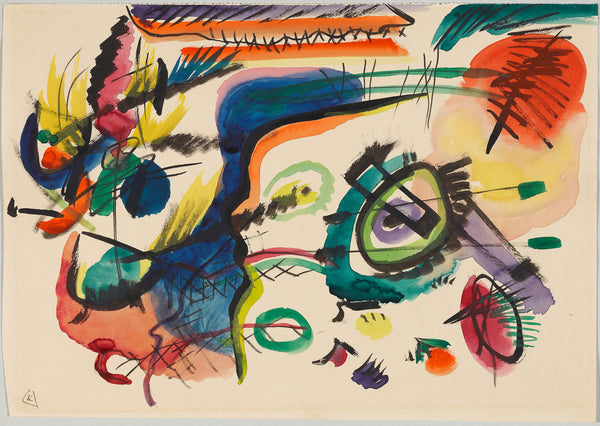
Wassily Kandinsky, 1913 - Draftcomposition vii - fine art print

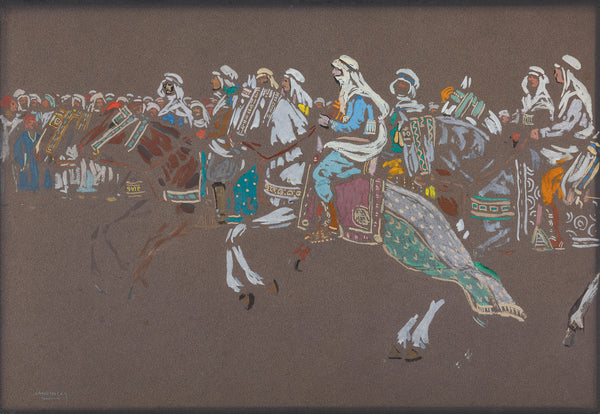
Wassily Kandinsky, 1905 - Arab cavalry - fine art print

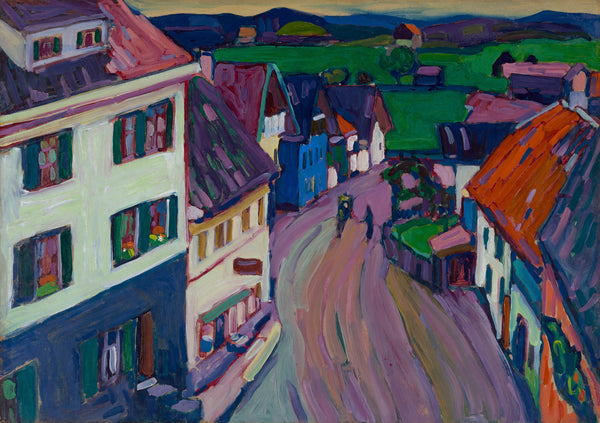

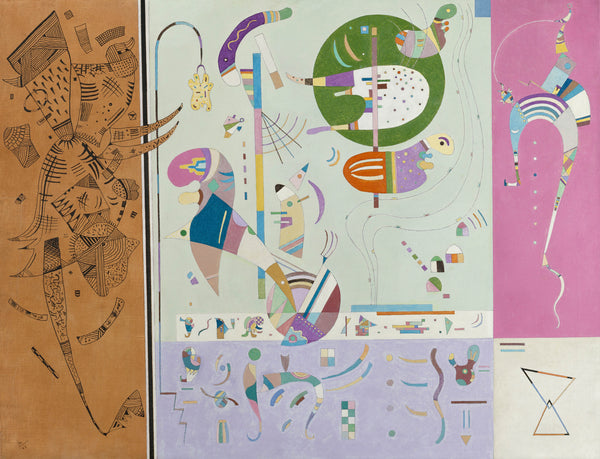
Wassily Kandinsky, 1940 - Different parts - fine art print


Wassily Kandinsky, 1909 - Orientalisches - fine art print

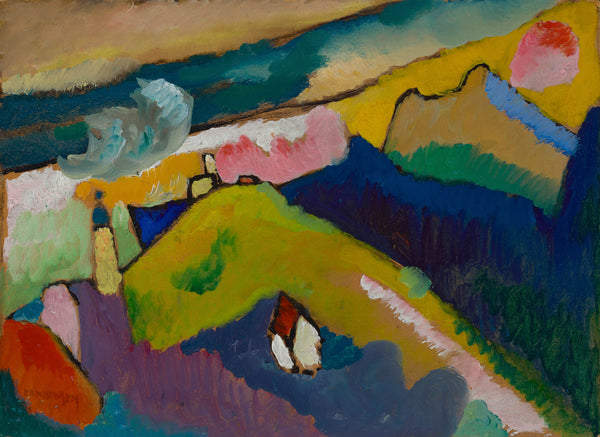
Wassily Kandinsky - Murnau - mountain landscape with church - fine art print


Wassily Kandinsky, 1905 - Country road - fine art print


Wassily Kandinsky, 1913 - Draft 3vii compositionto - fine art print


Wassily Kandinsky, 1913 - Drawingwith forest and rainbow - fine art print

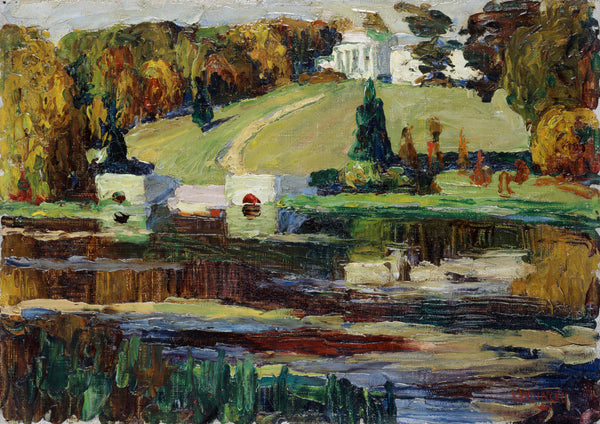
Wassily Kandinsky - Sketch for akhtyrka - autumn - fine art print


Wassily Kandinsky, 1909 - Interior (my dining room) - fine art print


Wassily Kandinsky, 1913 - Draftcomposition vii - fine art print


Wassily Kandinsky - Holland - beach chairs - fine art print


Wassily Kandinsky, 1921 - Red spot ii - fine art print


Wassily Kandinsky, 1910 - The cow - fine art print


Wassily Kandinsky, 1911 - Improvisation 19 - fine art print


Wassily Kandinsky - Watercolor no. 8judgment day. - fine art print


Wassily Kandinsky, 1911 - All saintsday i - fine art print


Wassily Kandinsky, 1913 - Draftcomposition vii - fine art print

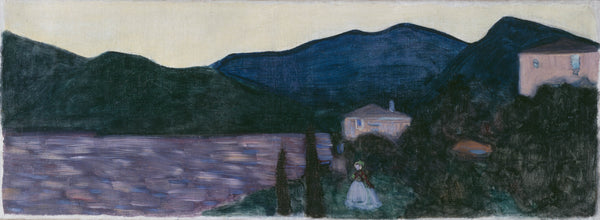
Wassily Kandinsky - Mountainous landscape with lake - fine art print


