Realism
Realism is the section of painting that focuses on depicting a visually accurate image. Realist painters attempted to capture exactly what they saw in real life, rather than creating an idealized version like the classical artists of the Renaissance did.
Most early realistic paintings were portraits and landscapes (used for recording the appearance of nature) but later was expanded into the other areas of painting such as representation of homes, work and natural settings. To convey a sense of realism in their paintings, Realist painters often used color blending, perspective harmony and tone gradation to create the illusion that a viewer is actually looking at real life objects that are three-dimensional (3D). The correct depiction of volume was of high important and used techniques like shading to create the illusion of volume. Realist painters also often used chiaroscuro (contrast between light and dark) in their paintings to create focus on certain objects and isolate them from others.
Realism first appeared during the mid-19th Century as artists attempted to depict what they saw in the world around them. This was in contrast to the highly idealized images of the Renaissance and Baroque period and can be considered a part of Romanticism. During Realism, there was also an emphasis on individual experience rather than concepts like those based on religion or mythology, which Medieval and Early Renaissance artworks had used (this is referred to as a secularization of art). Realist painters are also called Naturalists, but Realism is more specific than that term. Realism became the dominant form of Western painting during the mid-to-late 19th century and was characterized by themes of everyday life. This contrasted with other movements at that time which were either formalist or romanticist. The realistic painters of the 19th century wanted to capture scenes as faithfully as possible, so that they could be used by other people to make a mental picture of common life in Europe and America. They especially focused on rural (countryside) and working class life which was generally ignored by Romantic artist. Many realist painter slike Gustave Courbet and Jean-François Millet painted scenes of farmers in the countryside, while Thomas Eakins and Édouard Manet depicted scenes of life in big cities. Realism can be seen as part of a desire towards naturalism that occurred during the Industrial Revolution. The industrial revolution turned rural living into an urban environment. This forced many peasants and small-town people into the cities, while also giving city workers more time to leisurely contemplate life.
Realist painters wished to be as accurate as possible in their portrayal of different scenes in life and used detailed observation of nature to achieve this. Realist artists of the mid-19th Century commented on what they saw and experienced in everyday life. They were known as "The Eye" painters because they wanted to show people things that they had never noticed before. Their efforts resulted in new ideas regarding composition, form and technique that have become the foundation of modern art.


Henry Lerolle, 1885 - The Organ Rehearsal - fine art print

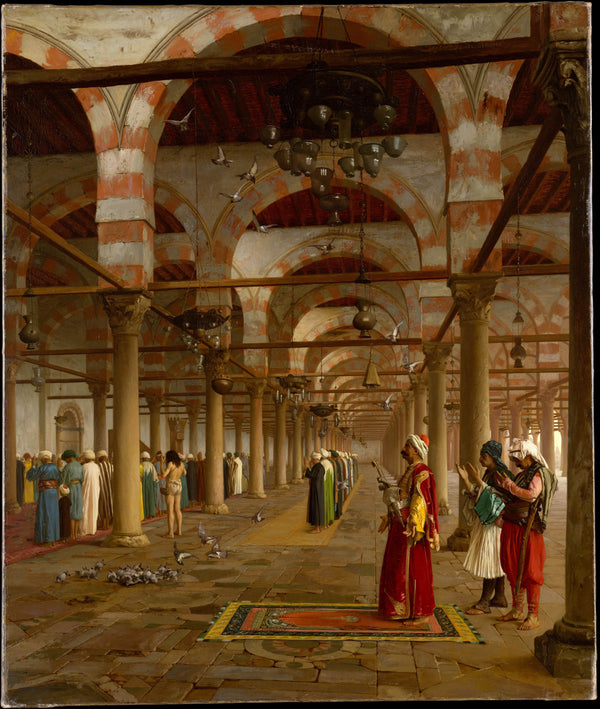
Jean-Léon Gérôme, 1871 - Prayer in the Mosque - fine art print


Winslow Homer, 1867 - The Studio - fine art print

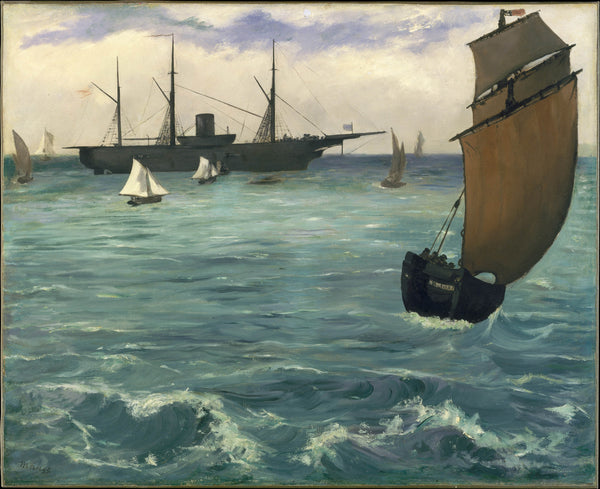
Édouard Manet, 1864 - TheKearsargeat Boulogne - fine art print


Henri Fantin-Latour, 1874 - Still Life with Pansies - fine art print

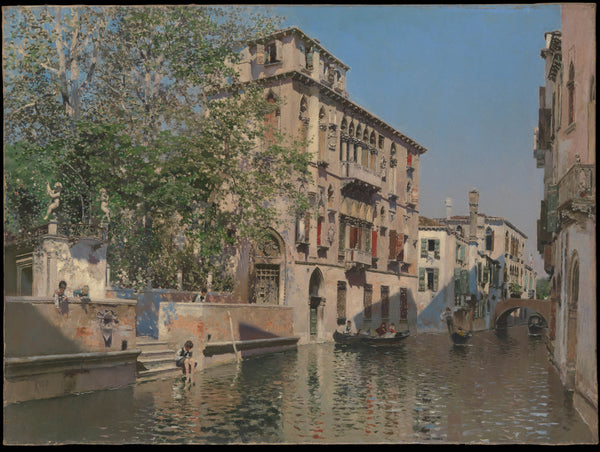
Martín Rico y Ortega, 1875 - A Canal in Venice - fine art print

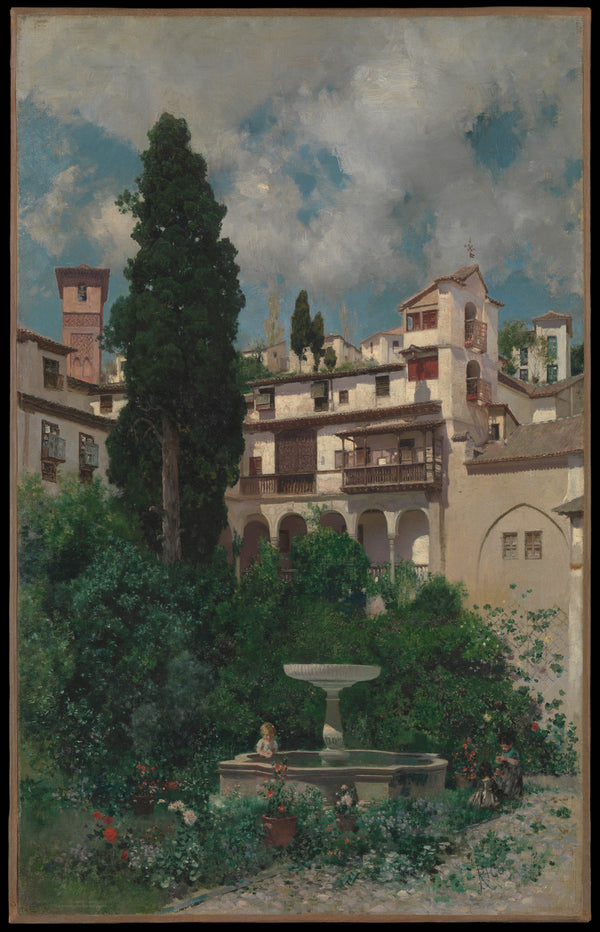
Martín Rico y Ortega - A Spanish Garden - fine art print

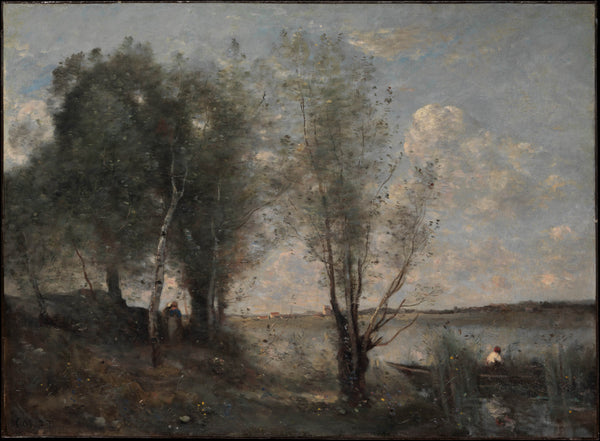
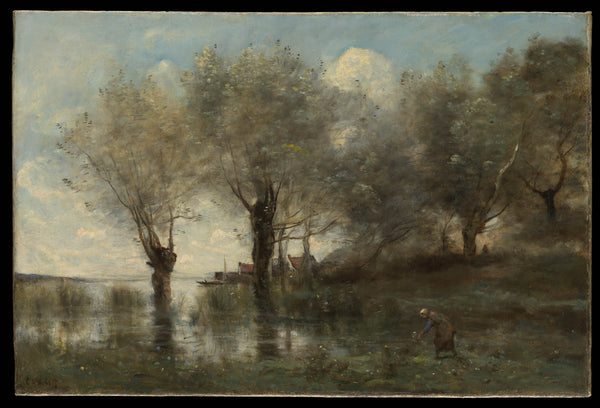
Camille Corot, 1865 - Boatman among the Reeds - fine art print

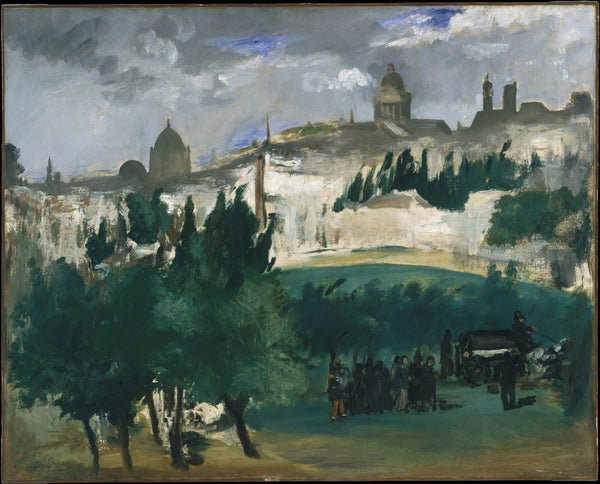
Édouard Manet, 1867 - The Funeral - fine art print


Winslow Homer, 1865 - The Veteran in a New Field - fine art print


Jules Dupré, 1837 - Landscape with Cattle at Limousin - fine art print

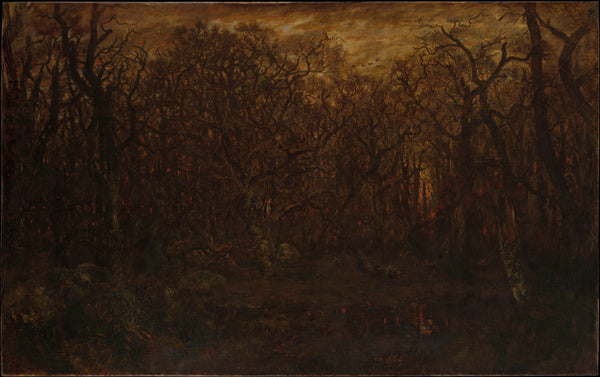
Théodore Rousseau, 1846 - The Forest in Winter at Sunset - fine art print


Jules-Joseph Lefebvre, 1878 - Graziella - fine art print


Théodore Rousseau, 1861 - A Path among the Rocks - fine art print


Winslow Homer, 1877 - Dressing for the Carnival - fine art print


Jasper Francis Cropsey, 1867 - Pompton Plains, New Jersey - fine art print


Winslow Homer, 1894 - Moonlight, Wood Island Light - fine art print


Jean-Léon Gérôme, 1884 - Cafe House, Cairo (Casting Bullets) - fine art print


Wilhelm Trübner, 1910 - Landscape - fine art print


Thomas Eakins, 1883 - Arcadia - fine art print


Fritz von Uhde, 1889 - Going Home - fine art print


Gustave Courbet, 1869 - The Calm Sea - fine art print


Jean-François Millet, 1872 - Calling the Cows Home - fine art print


Thomas Eakins, 1876 - The Chess Players - fine art print


Gustave Courbet, 1866 - The Young Bather - fine art print

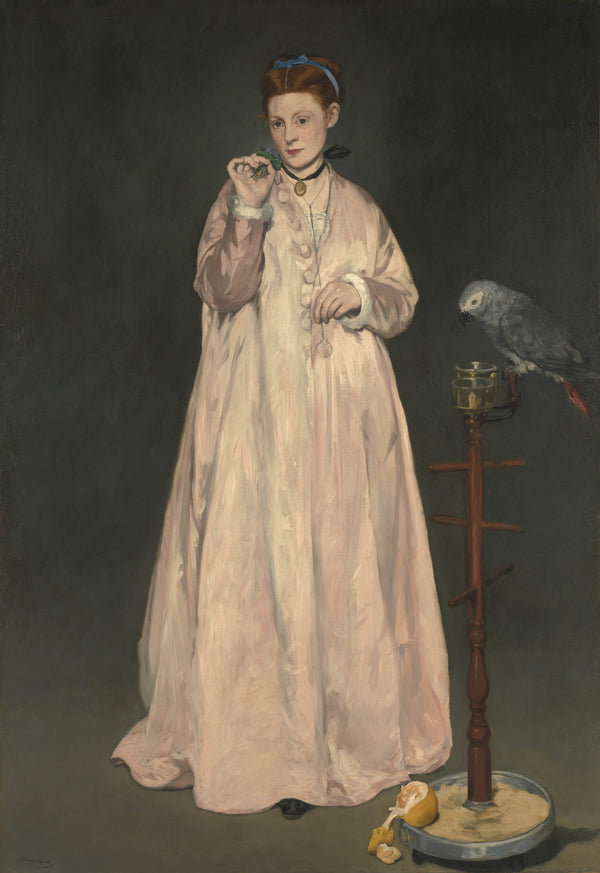
Édouard Manet, 1866 - Young Lady in 1866 - fine art print


Alexandre Cabanel, 1876 - Catharine Lorillard Wolfe (1828–1887) - fine art print


Henri Fantin-Latour, 1888 - Roses and Lilies - fine art print


Henri Fantin-Latour, 1868 - Asters and Fruit on a Table - fine art print

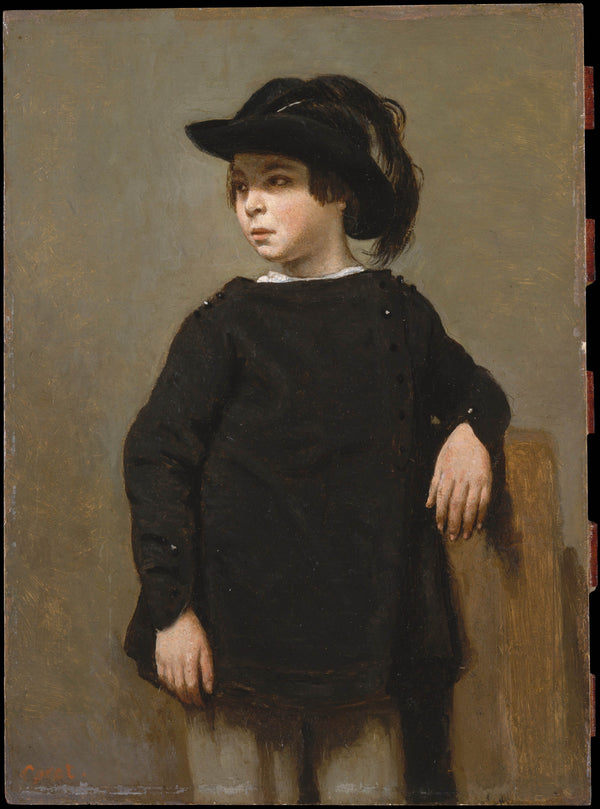
Camille Corot, 1835 - Portrait of a Child - fine art print


August Heinrich, 1820 - At the Edge of the Forest - fine art print


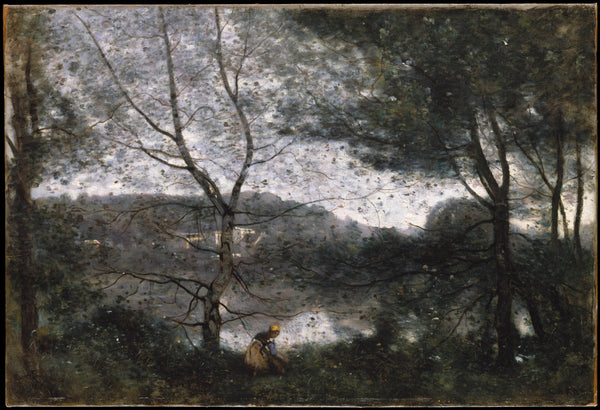
Camille Corot, 1870 - Ville dAvray - fine art print

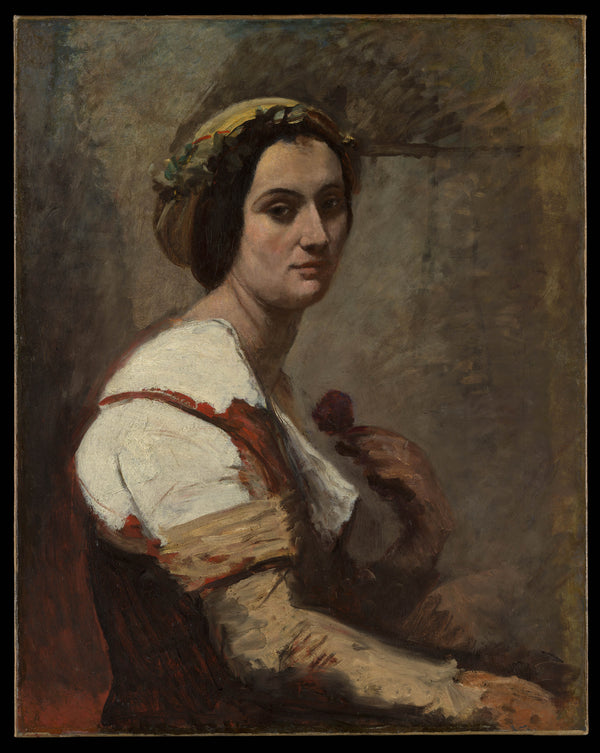
Camille Corot, 1870 - Sibylle - fine art print


Gustave Courbet, 1859 - After the Hunt - fine art print

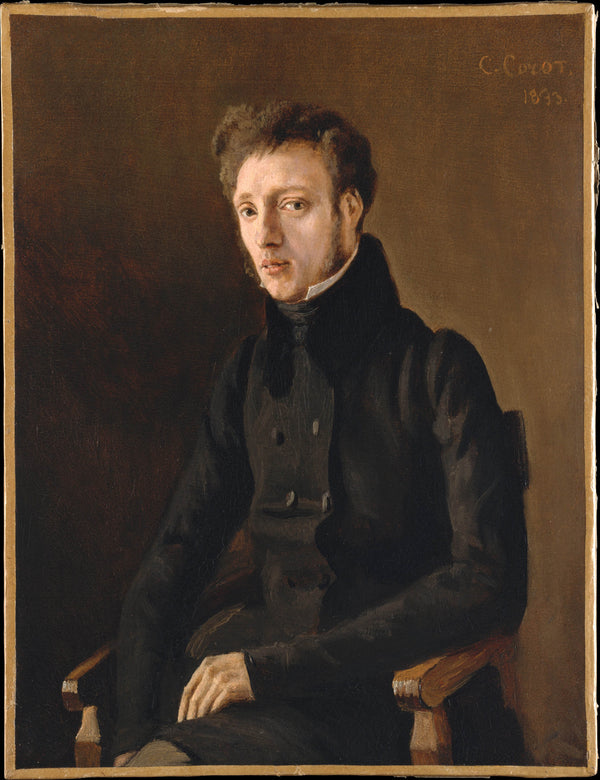
Camille Corot, 1833 - Toussaint Lemaistre (1807 / 8-1888) - fine art print


James Tissot, 1872 - Tea - fine art print


Winslow Homer, 1873 - Harvest Scene - fine art print


Henri Fantin-Latour, 1863 - Still Life with Roses and Fruit - fine art print

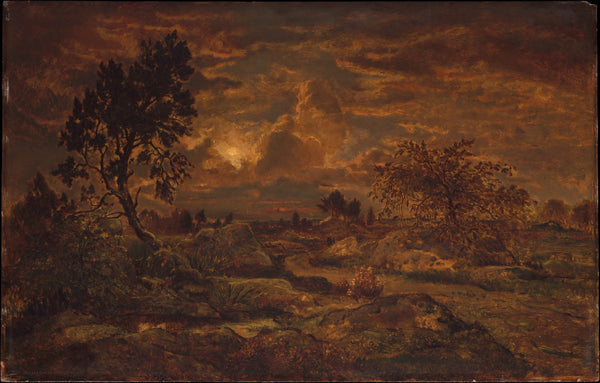
Théodore Rousseau, 1860 - Sunset near Arbonne - fine art print


Jean-Léon Gérôme, 1884 - Tiger and Cubs - fine art print


Honoré Daumier, 1861 - The Drinkers - fine art print


Gustave Courbet, 1851 - Promayet Alphonse (1822-1872) - fine art print

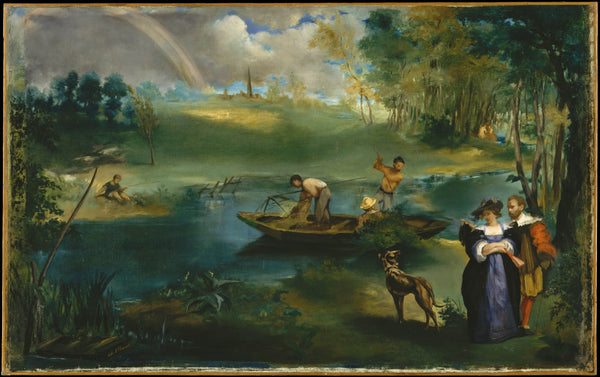
Édouard Manet, 1862 - Fishing - fine art print